Professional Stadium Lighting
Competition and broadcast-focused lighting for major stadiums and camera-facing venues.
View application
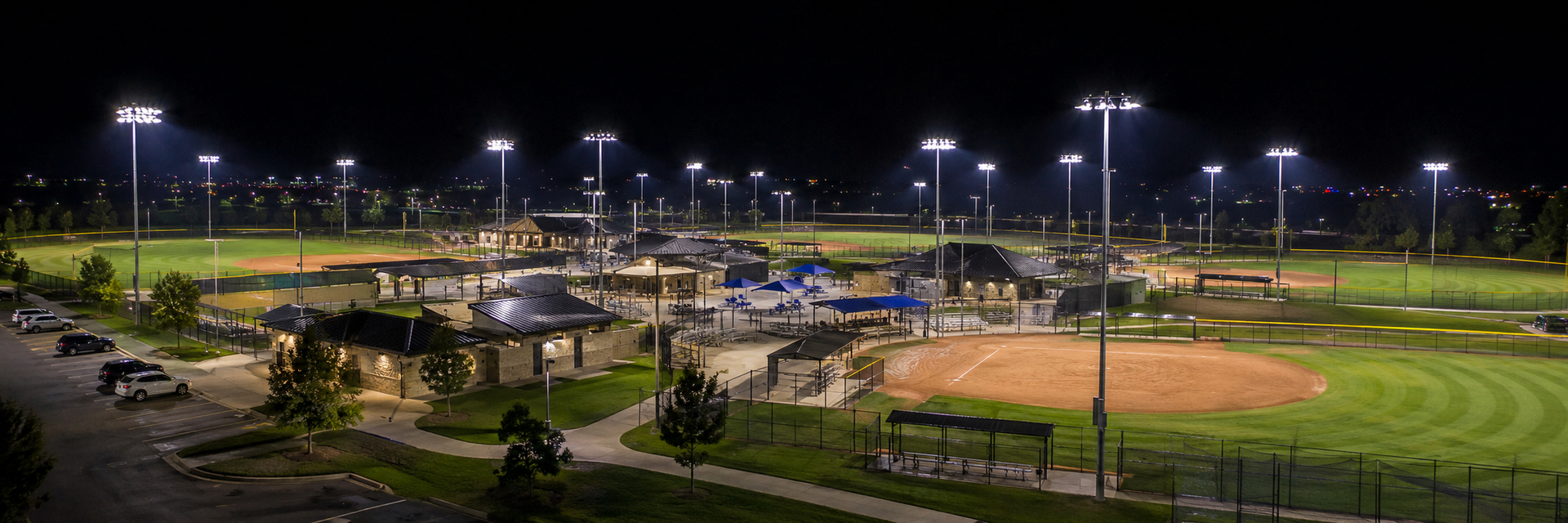
From community training fields to professional stadiums, sports lighting must coordinate playing visibility, glare, vertical illuminance, optical reach and operating scenes around the actual venue geometry.
Competition and broadcast-focused lighting for major stadiums and camera-facing venues.
View application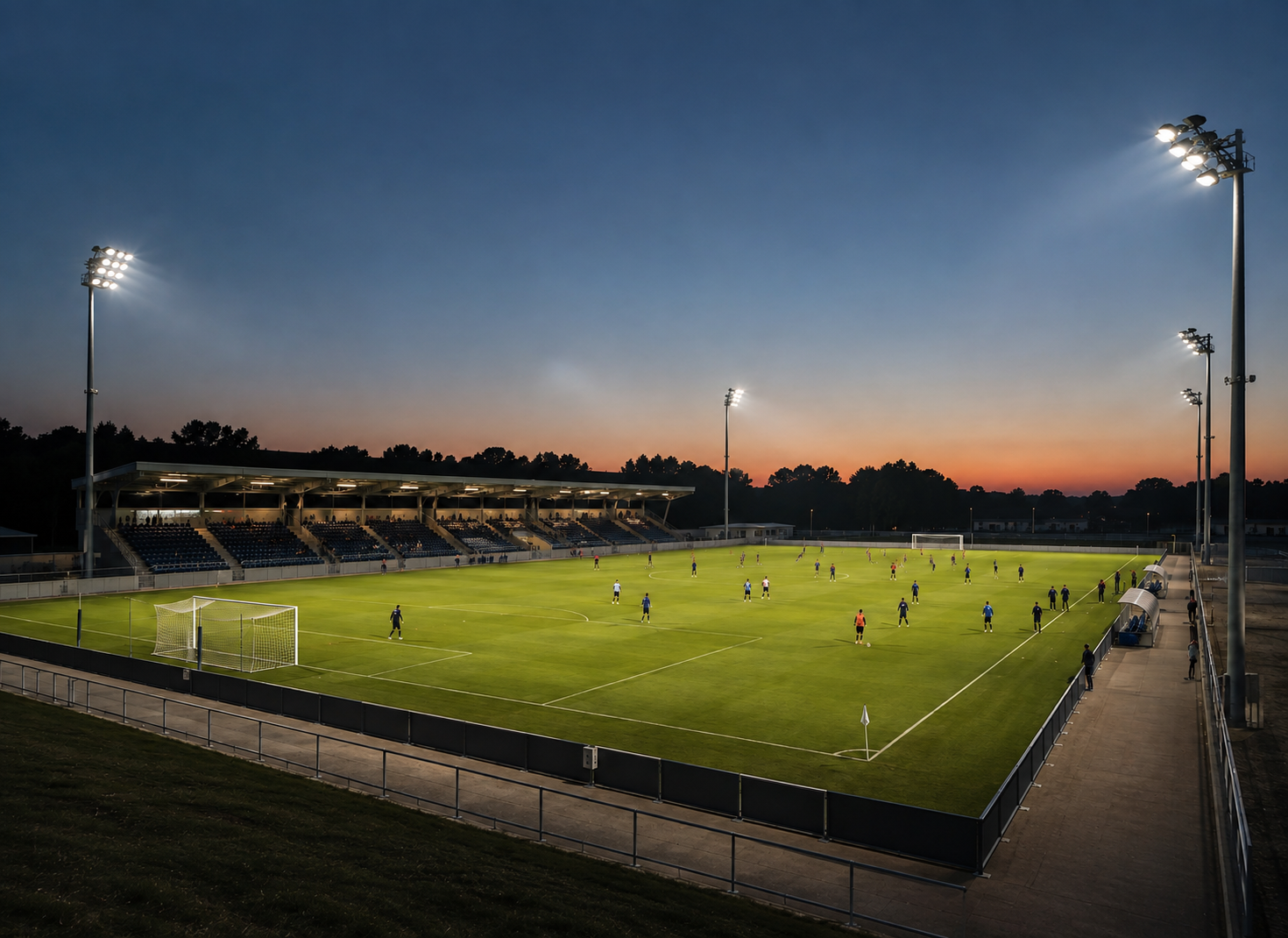
Field lighting for club, school and professional football venues with controlled aiming and uniformity.
View application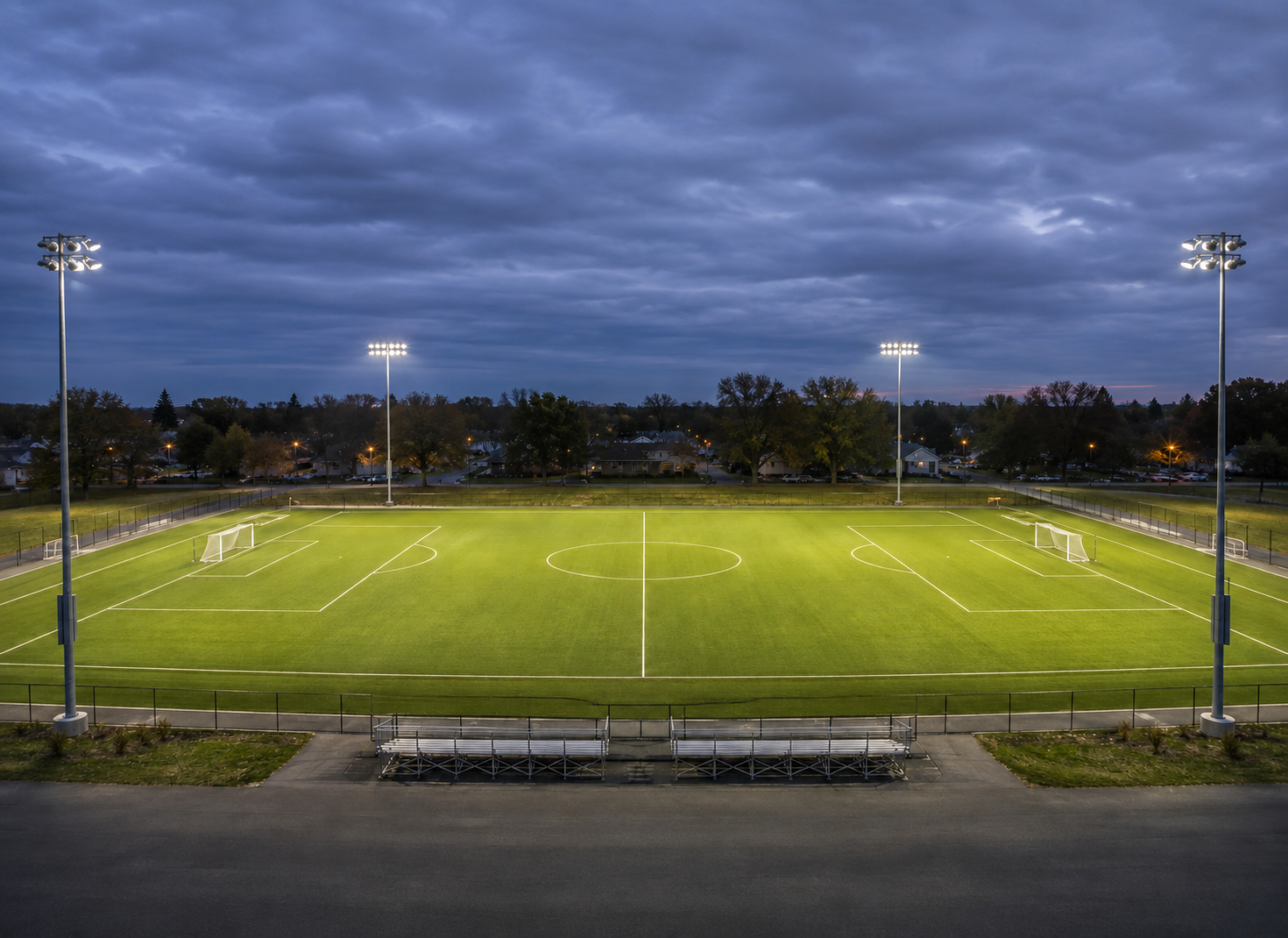
Practical sports lighting for regular training, community use and neighborhood-sensitive sites.
View application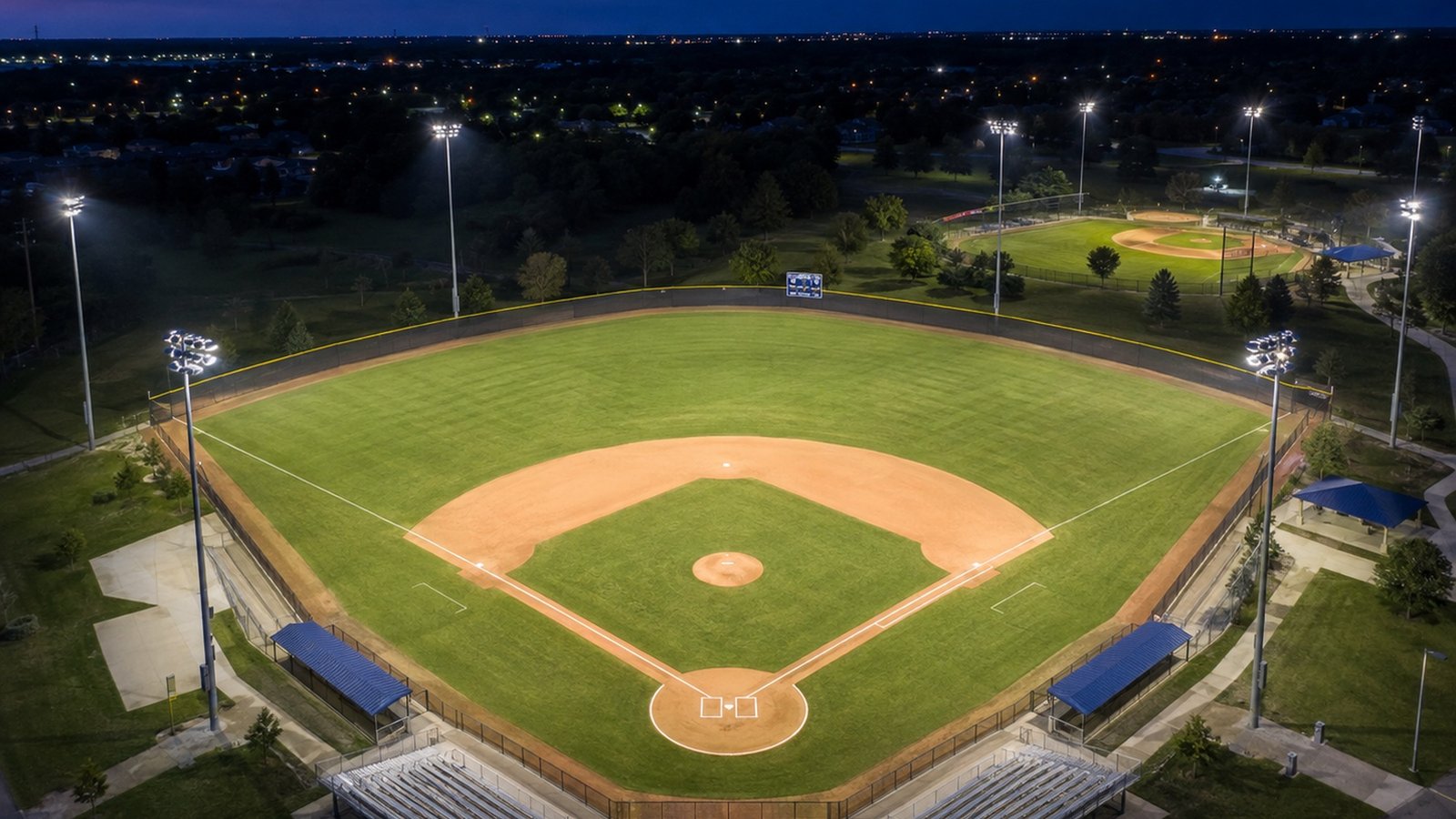
Multi-zone lighting for infield, outfield and high-ball visibility at critical player positions.
View application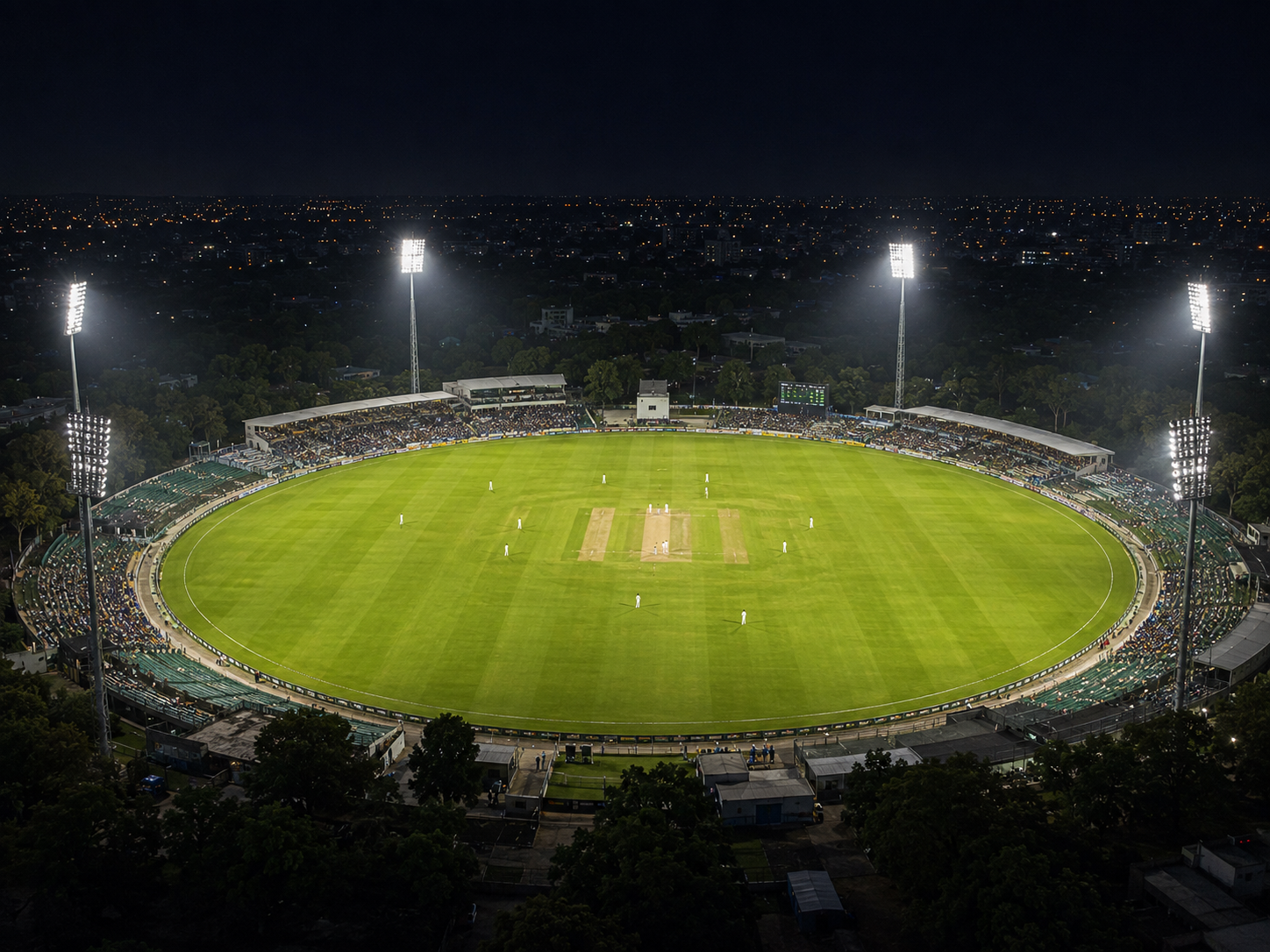
Long-throw lighting for pitch, boundary and high-ball visibility across large grounds.
View application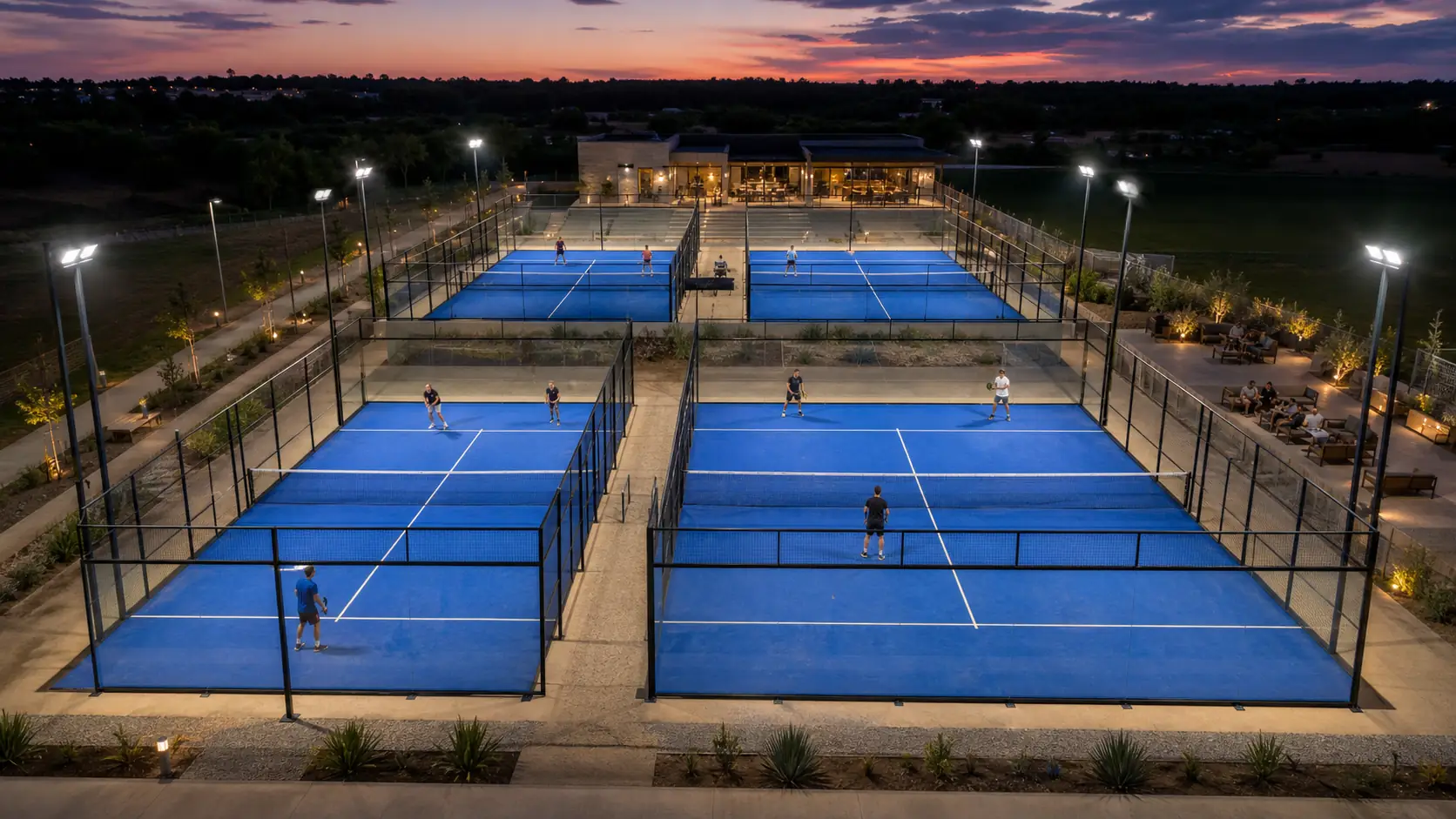
Lower-height court lighting with controlled glare and consistent ball visibility.
View application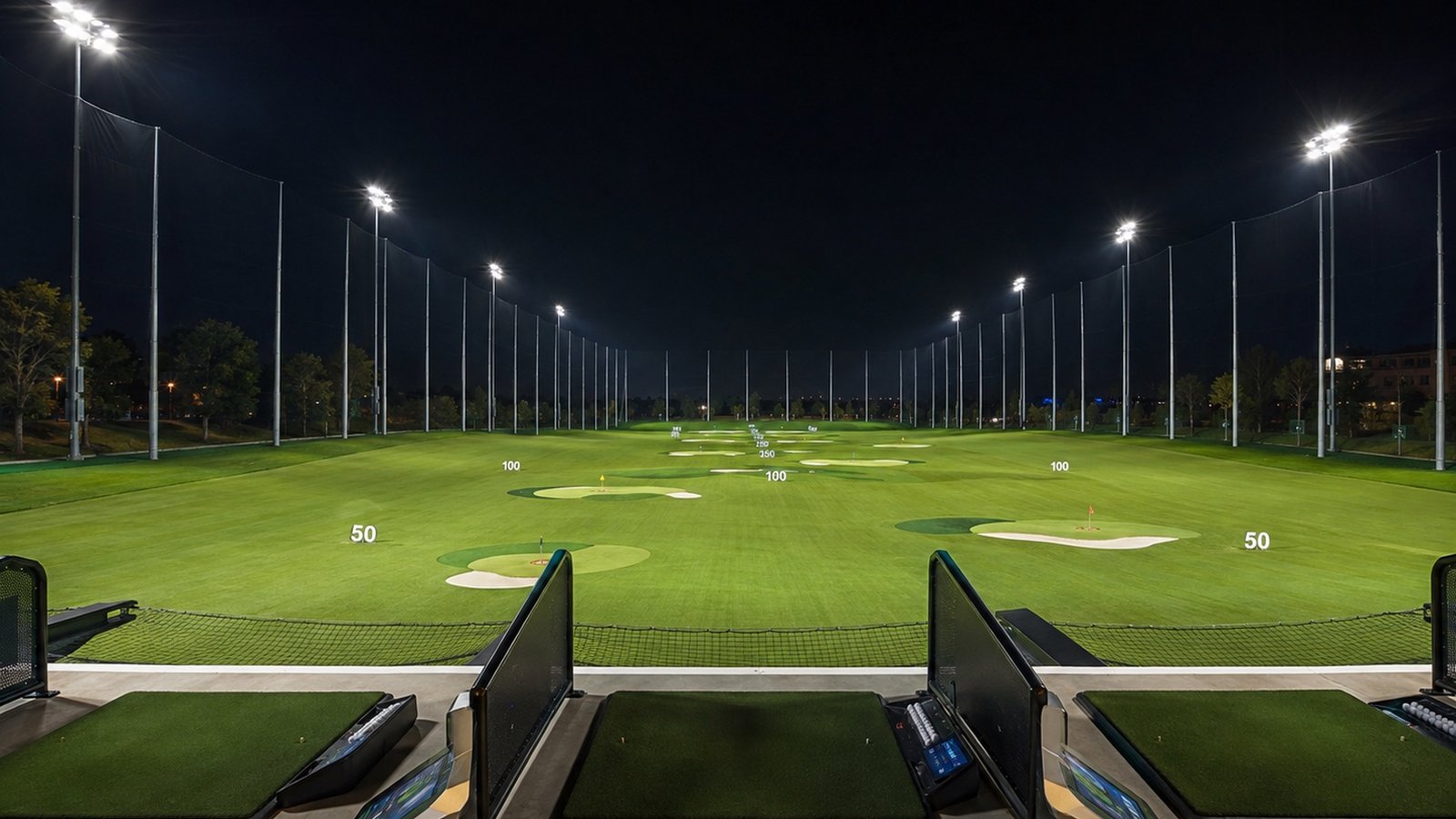
Layered near-to-far lighting for ball-flight visibility with spill-light control.
View application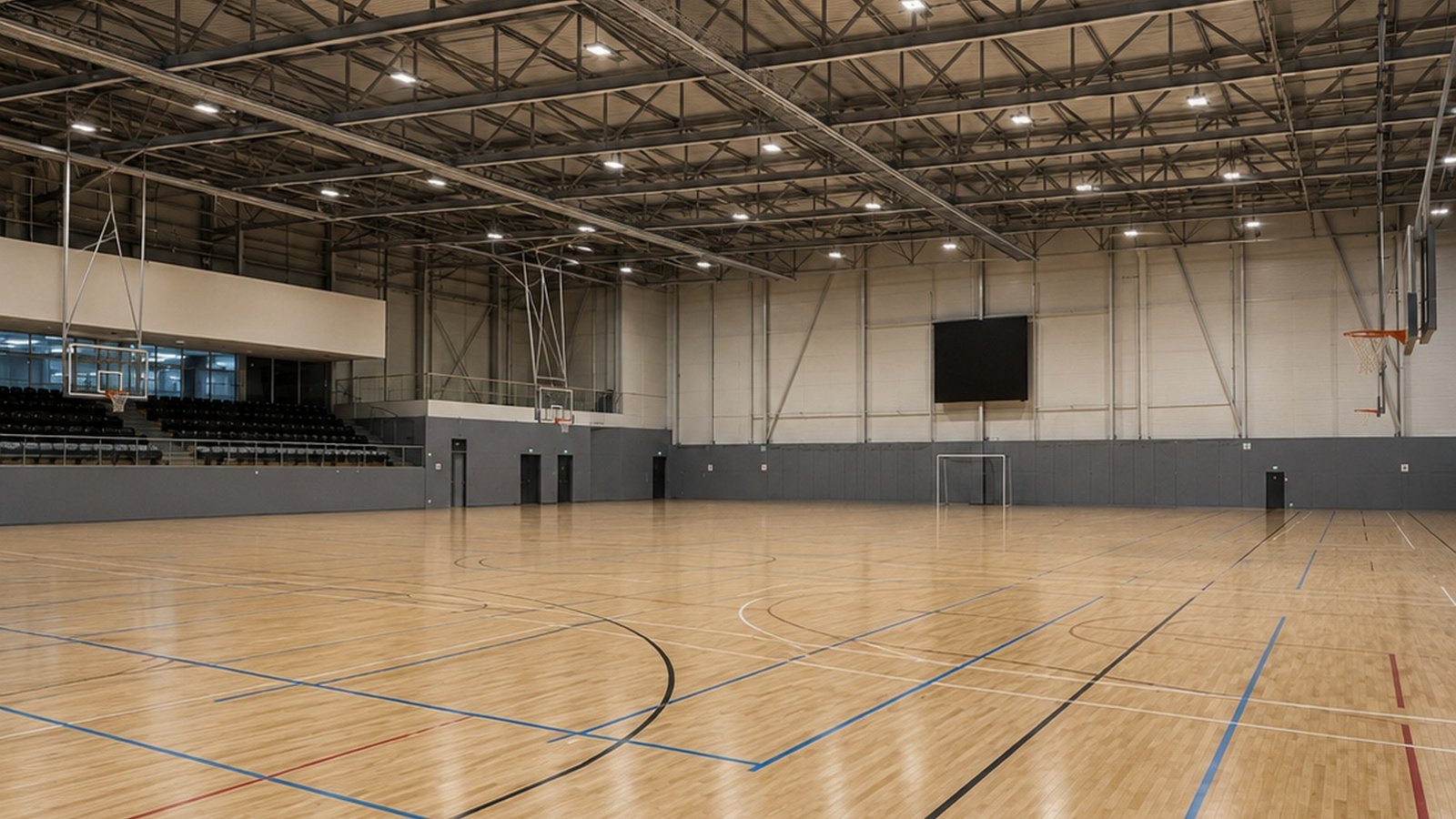
High-bay sports lighting for indoor courts, halls and multi-use training spaces.
View application
Uniform, low-glare lighting for training, competition and multi-purpose basketball courts.
View application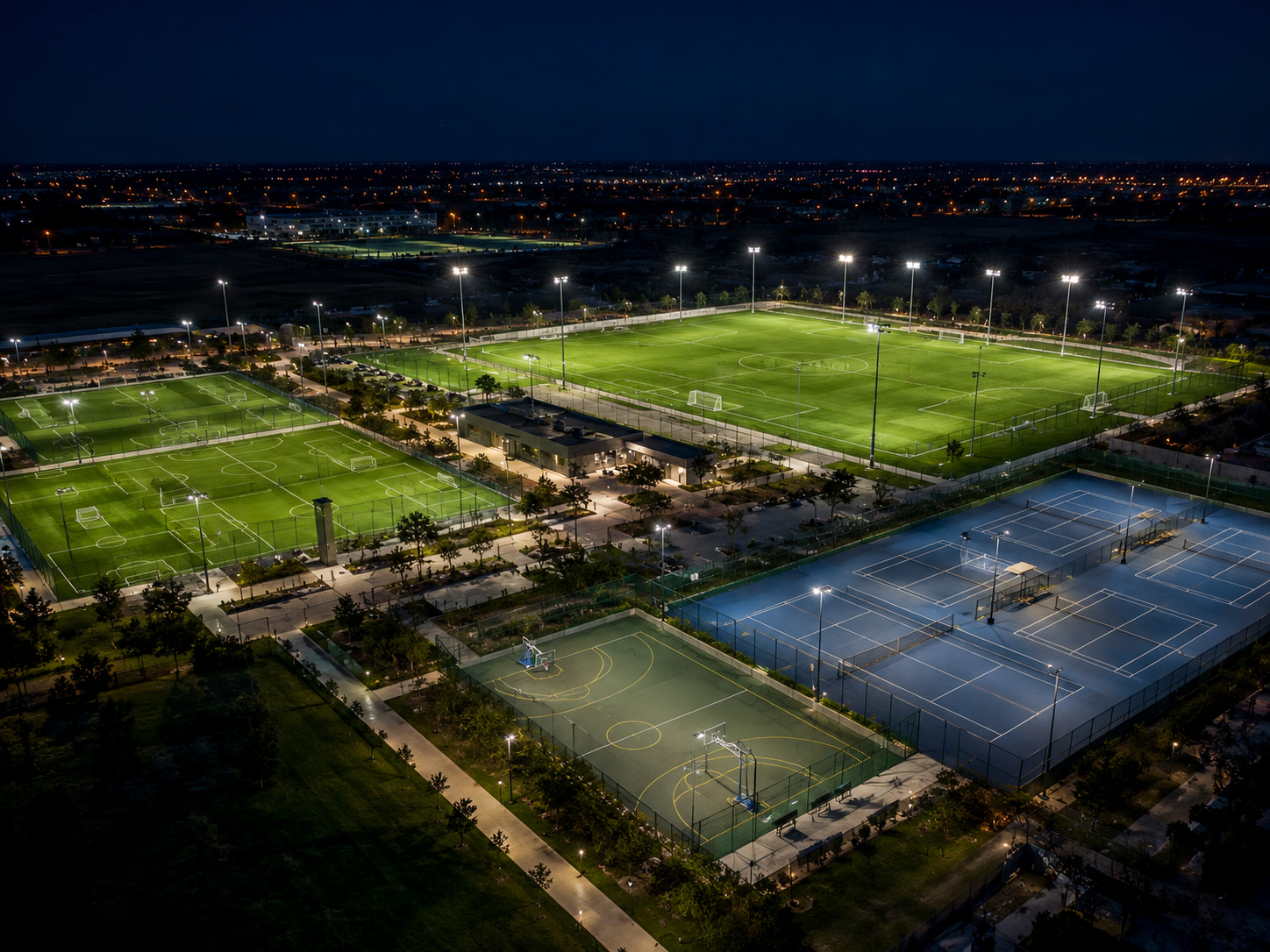
Flexible lighting for facilities combining multiple sports, fields or court types.
View applicationThe same application can require a different lighting approach when glare, retrofit constraints, controls or environmental conditions change.
Manage source visibility, boundary light and backlight around players, spectators and neighbors.
Coordinate vertical illuminance, color quality, flicker behavior and camera-facing scenes.
Review pole height, setback, structural capacity and aiming before selecting replacement wattage.
Plan dimming, scene control, DMX or other interfaces around the venue operating model.
These are starting points rather than universal specifications. Final selection should follow the project calculation and installation conditions.
Evaluate this product against the application geometry, optics, controls and environmental requirements.
Evaluate this product against the application geometry, optics, controls and environmental requirements.
Evaluate this product against the application geometry, optics, controls and environmental requirements.
Evaluate this product against the application geometry, optics, controls and environmental requirements.
Clear site information helps narrow the suitable product, optics, quantity and control strategy before a quotation is finalized.
Venue plan and field dimensions
Pole or roof-beam positions and mounting height
Competition level and target lighting performance
Camera, control and neighborhood constraints
These answers provide a practical starting point before a full photometric or technical review.
Start with the venue geometry, sport, mounting height and target performance. Product wattage alone is not enough to determine a suitable solution.
A field plan, mounting positions and heights, target lighting level and any camera, control or boundary-light requirements provide the best starting point.
Often yes, but the existing structure, pole height, fixture quantity, EPA, weight and aiming geometry should be reviewed before a retrofit is finalized.
Share the application, site dimensions, mounting height, target lighting level and available drawings. Our team will review the project and recommend a suitable product and optical approach.
Email: info@zcled.com
* Required fields