Four-pole layouts
Can be compact and economical where setbacks, pole height and target performance allow adequate cross-aiming.

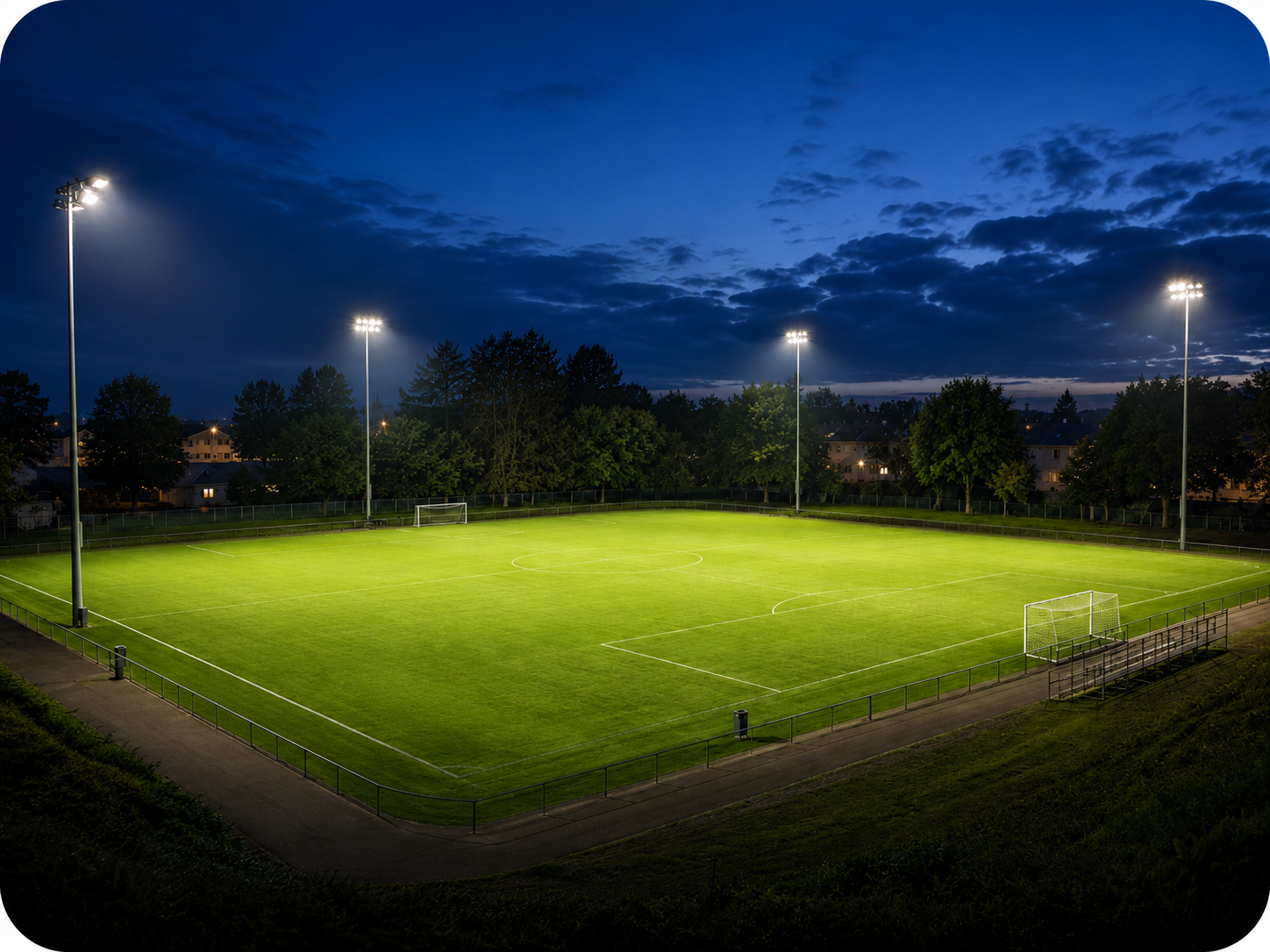
Field lighting for club, school and professional football venues with controlled aiming, uniformity and practical operating scenes.
High-quality sports lighting is a system result. Geometry, source positions, optics, controls, environmental limits and commissioning all influence the final experience.
Football projects range from municipal training grounds to televised professional fields. The playing area may be similar, but mounting height, setbacks, surrounding homes, spectator areas and camera use can change the lighting solution substantially.
A practical field review should include the touchlines, goal lines, safety run-off, technical areas, adjacent training strips, spectator routes and any property boundaries. The goalkeeper’s upward viewing direction and long diagonal player sightlines deserve specific glare review because they frequently face pole groups.
For community or school fields near homes, the off-site assessment may be as important as the target lux. Pole location, aiming, beam distribution, visor use and curfew scenes should be designed together.
ZC project approach: use the actual site drawing and target criteria to select products, optics, quantity, aiming and compatible controls. Product wattage is an input to the calculation—not the starting answer.
The same luminaire can perform very differently when pole height, setback, aiming angle or observer direction changes.
Training / community football field with perimeter poles, controlled field coverage and nearby residential context.
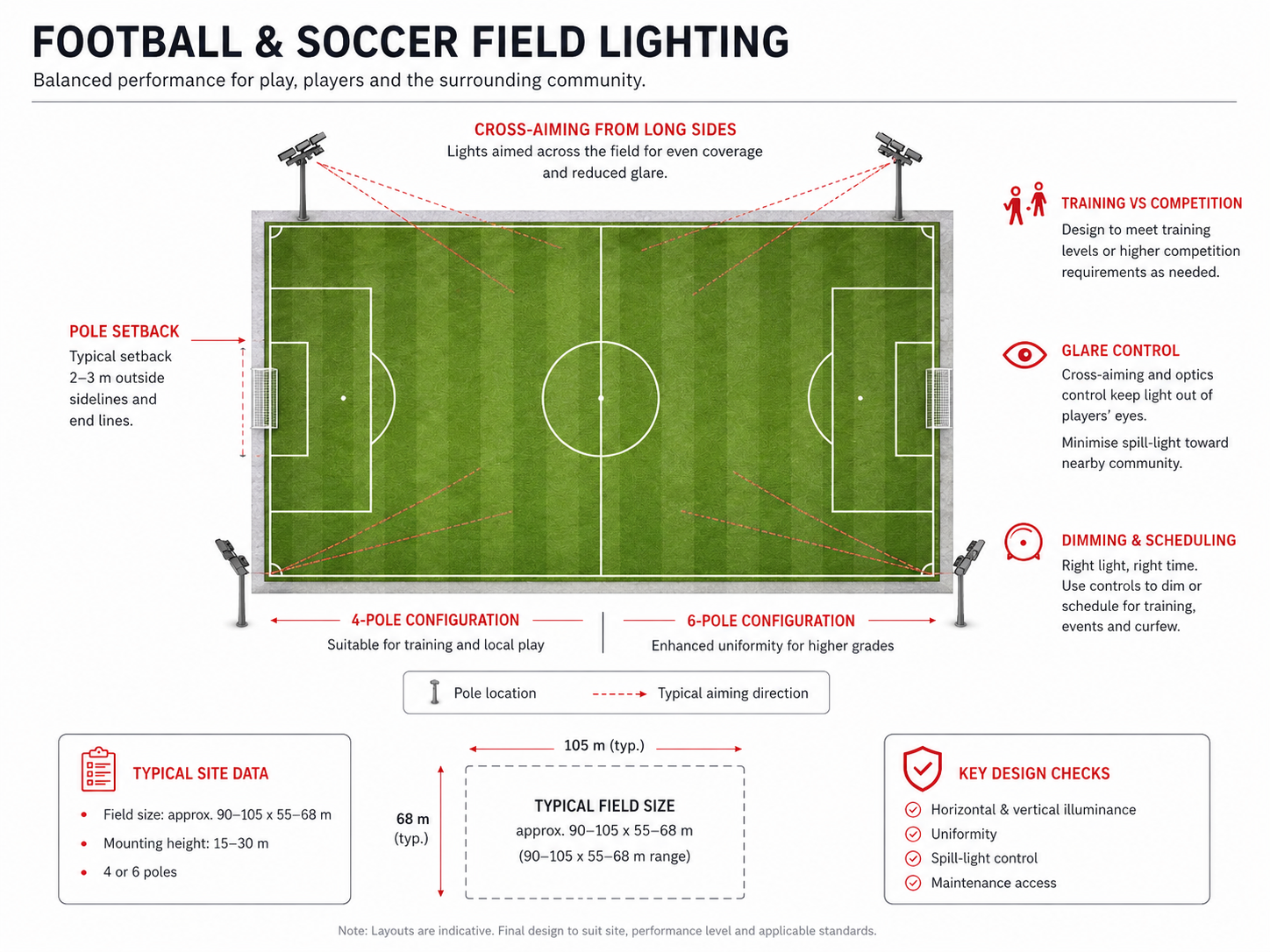
Typical 4- or 6-pole arrangement with cross-aiming from the long sides. Pole height and setback vary by field size and target performance.
Can be compact and economical where setbacks, pole height and target performance allow adequate cross-aiming.
Useful when lower pole heights, higher performance or tighter spill-light control require more distributed source positions.
Check mast condition, headframe, existing quantity, circuit capacity and the distance from pole to field before choosing replacement wattage.
Avoid excessive concentration behind goal lines; balance diagonal cross-lighting so goalkeepers can see the ball without facing dominant source groups.
A complete review considers playability, visual adaptation, camera or spectator needs and the effect of the lighting outside the venue.
Scene planning can reduce operating hours and energy use, but the control architecture must match the selected driver/product configuration. ZC can coordinate compatible luminaire interfaces; final system integration should follow the project control design.
Shielding, brackets, drivers and electrical accessories should be selected because the project needs them—not added as generic decoration.
LED retrofit decisions should combine structural, electrical, optical and operational review.
These are project starting points, not universal specifications. Final product, power, optics, accessories and controls should follow photometric calculation and installation conditions. Confirm the latest product configuration with ZC Lighting before specification.
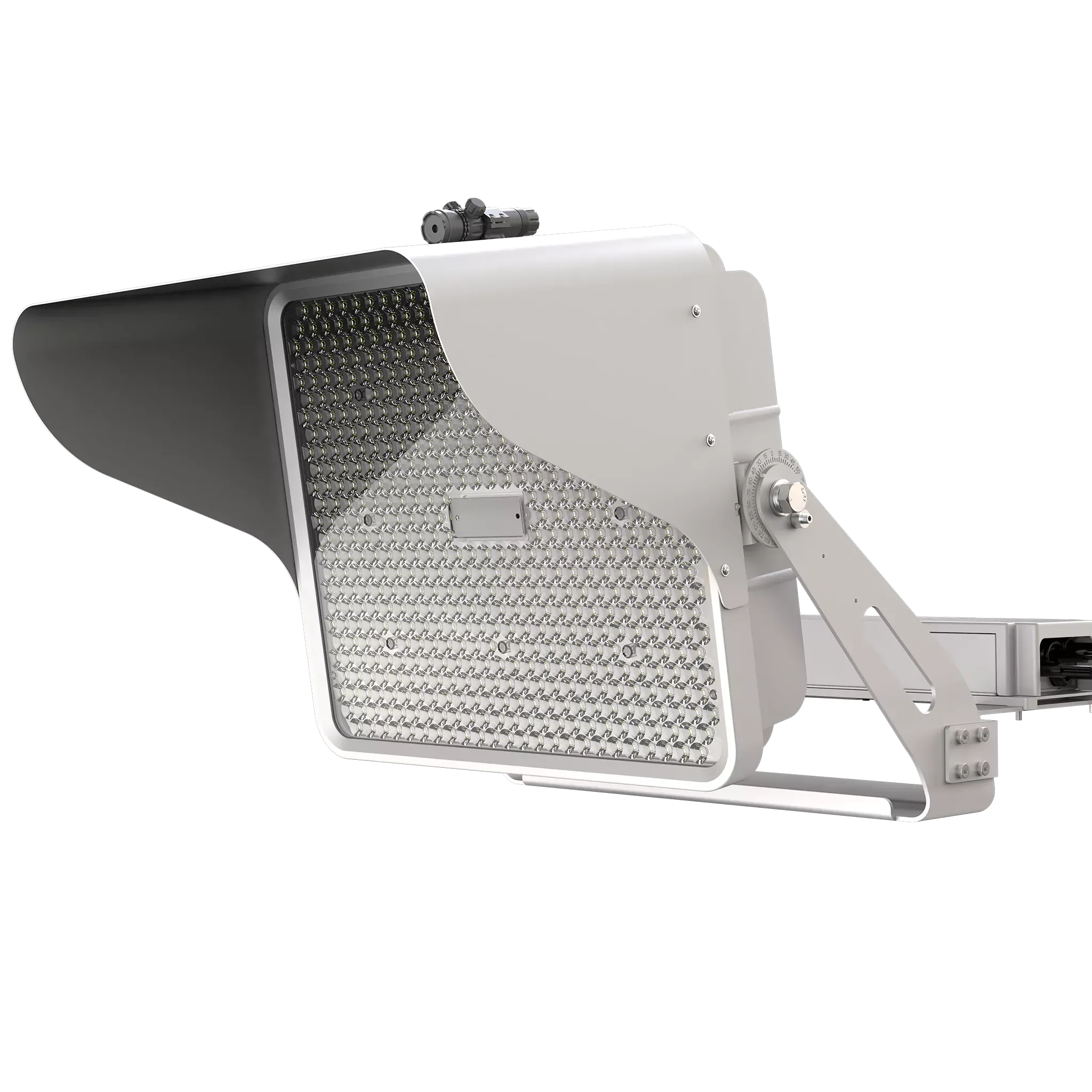
Professional long-throw sports luminaire for high mounting positions, large fields and projects requiring precise beam selection and camera-oriented light quality options.
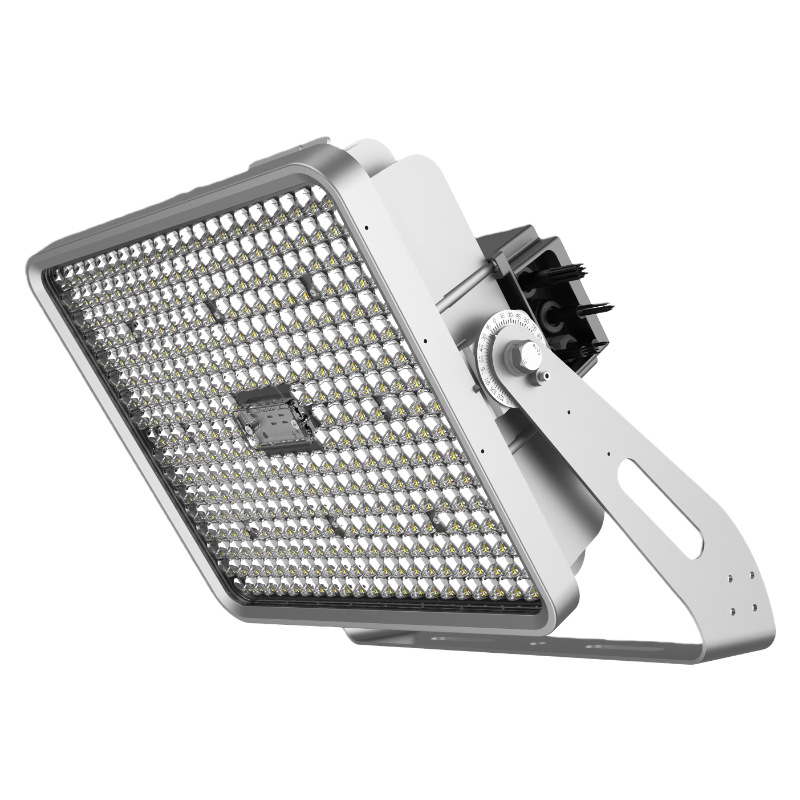
High-output integrated sports floodlight with multiple power, optical and color-quality configurations for professional stadium and long-throw projects.
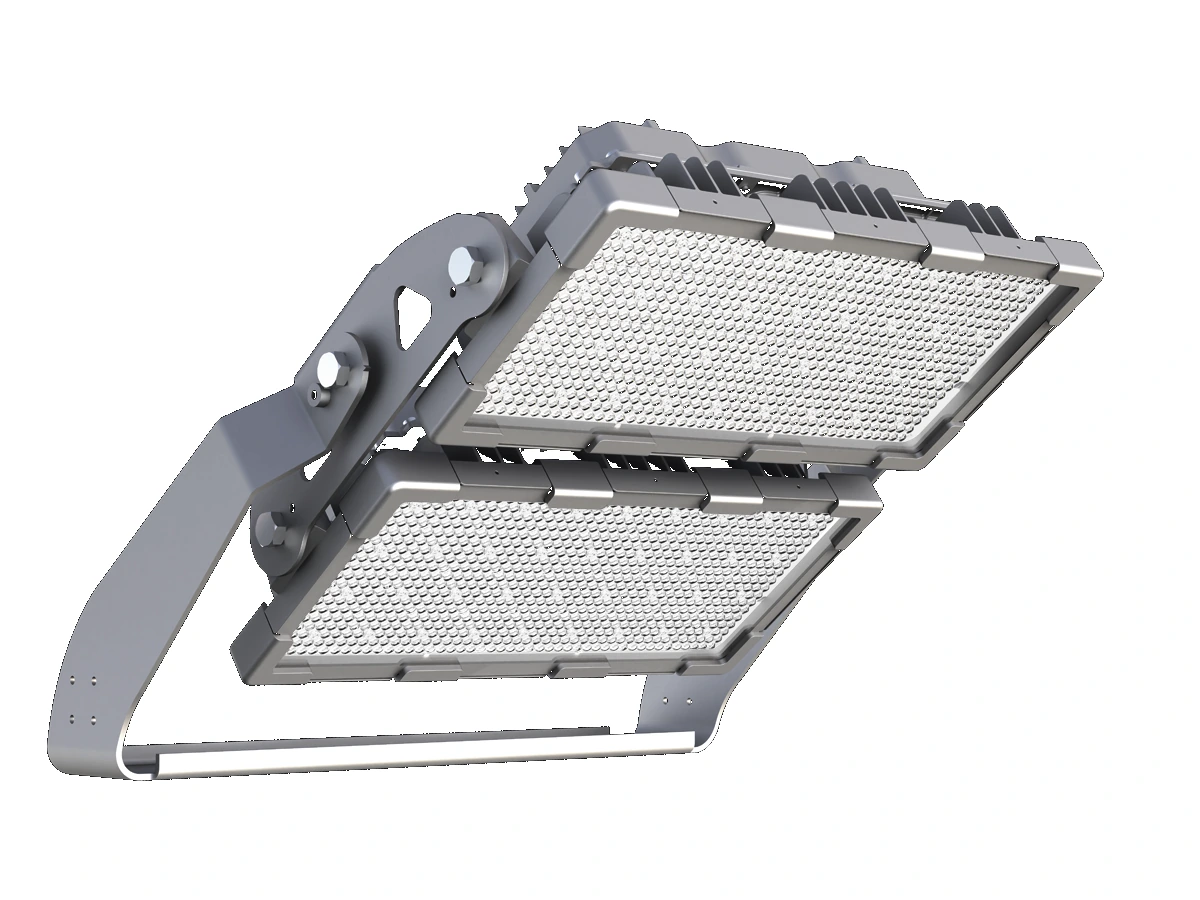
Modular sports floodlight with a broad power and optical range, useful where one project needs several beam distributions or phased fixture quantities.
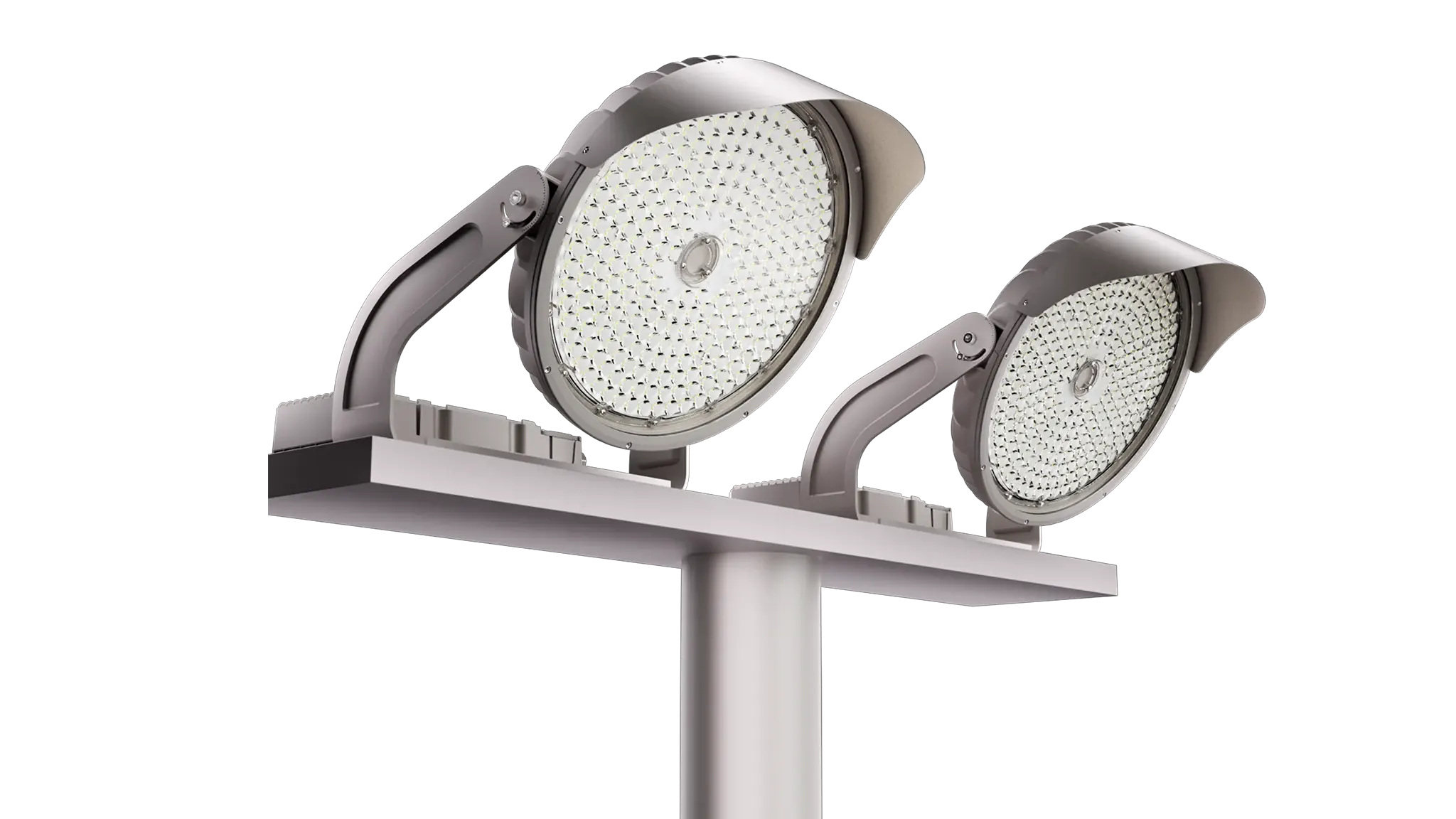
High-power sports floodlight for large-area and event-oriented venues, with multiple optical and control configurations depending on the selected version.
Fixture orientation, aiming, control grouping and verification should be treated as part of the lighting design—not left to visual adjustment after installation.
Better input data reduces redesign, narrows the right product/optic combination and makes the first proposal more useful.
Field dimensions and run-off
Pole count, positions and heights
Pole-to-touchline setback
Existing fixture photos and wattages
Competition/training target
Nearby homes, roads or ecological limits
Control schedule
CAD/PDF or aerial plan
These answers are practical engineering guidance. Final performance should be confirmed against the project requirements and applicable local or sport-specific standards.
No. Four poles can work for some sites, but pole height, setback, target performance and spill-light limits determine whether four, six or more source positions are appropriate.
A 1:1 retrofit is possible on some projects, but it should be proven by photometric and structural review rather than assumed from wattage.
Start with pole layout, beam distribution, aiming and source visibility. Add visors/shields where they provide a calculated benefit, and use schedules/dimming to avoid unnecessary operation.
They can. The control grouping should be designed so reduced-output operation still meets the intended training criteria.
Field dimensions, pole layout/heights, target performance, existing fixtures, nearby sensitive locations and desired operating scenes.
Share dimensions, mounting positions and heights, target performance, existing fixture information and available drawings. ZC Lighting can then review product options, optics, quantity, aiming and compatible control requirements.
Email: info@zcled.com