Tall tower groups
Each tower usually carries fixtures for near, middle and far zones; mechanical grouping should follow the aiming schedule.

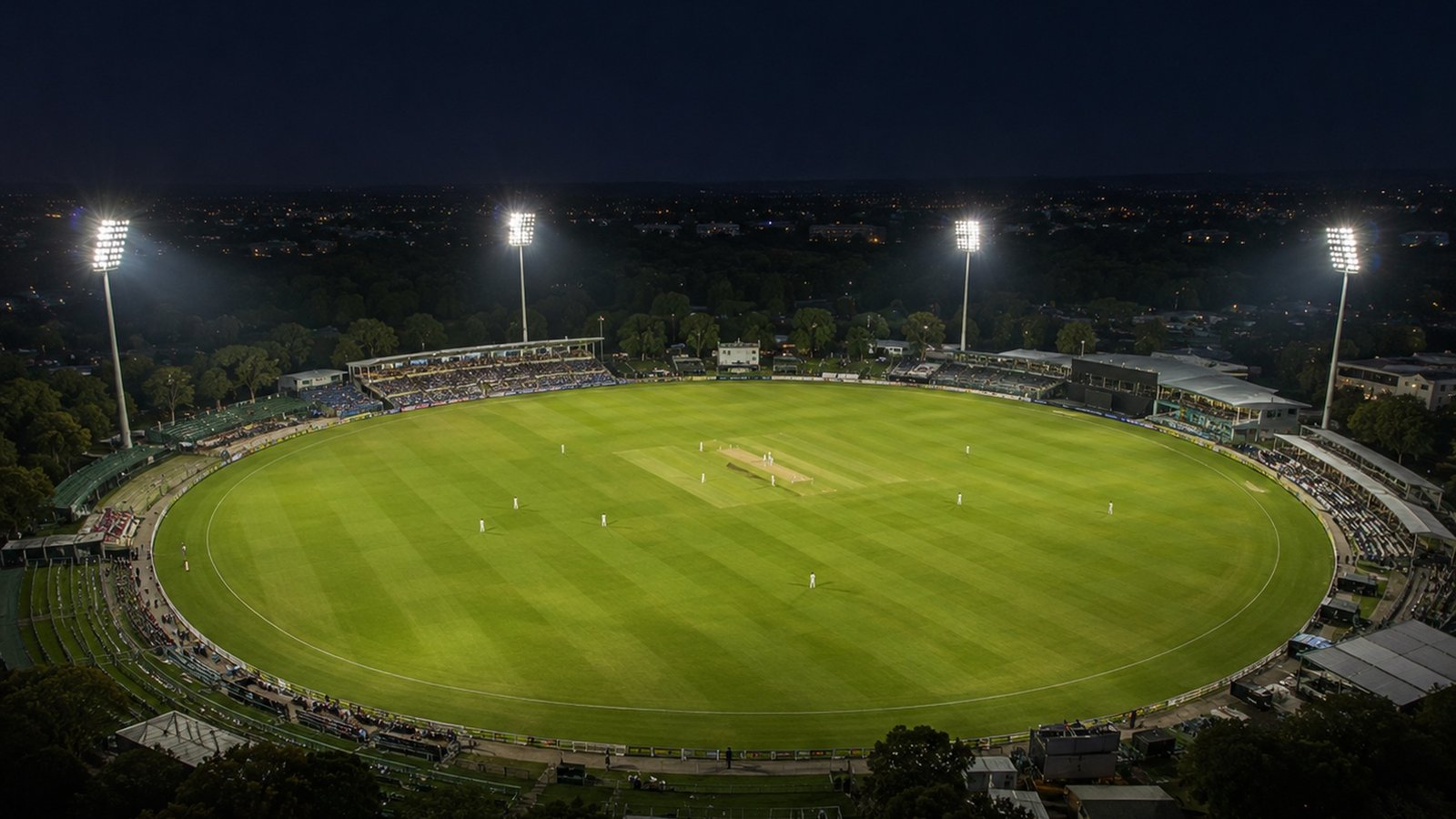
Long-throw lighting for the pitch, boundary and high-ball visibility across large oval venues.
High-quality sports lighting is a system result. Geometry, source positions, optics, controls, environmental limits and commissioning all influence the final experience.
Cricket is one of the most demanding large-area sports because the visual task extends from the central pitch to a broad boundary and frequently into the sky. Ground dimensions vary, so the design should use the actual oval rather than a generic circle or football-sized grid.
The central pitch, wicket area and main camera directions often demand different vertical-light treatment from the outfield. Fielders tracking high balls can look directly toward tower groups, which makes source visibility and aiming especially important.
A large cricket ground also creates significant off-site considerations. Long throws and tall towers can be visible over a wide surrounding area; therefore backlight, spill light and upward light should be reviewed together with the on-field calculation.
ZC project approach: use the actual site drawing and target criteria to select products, optics, quantity, aiming and compatible controls. Product wattage is an input to the calculation—not the starting answer.
The same luminaire can perform very differently when pole height, setback, aiming angle or observer direction changes.
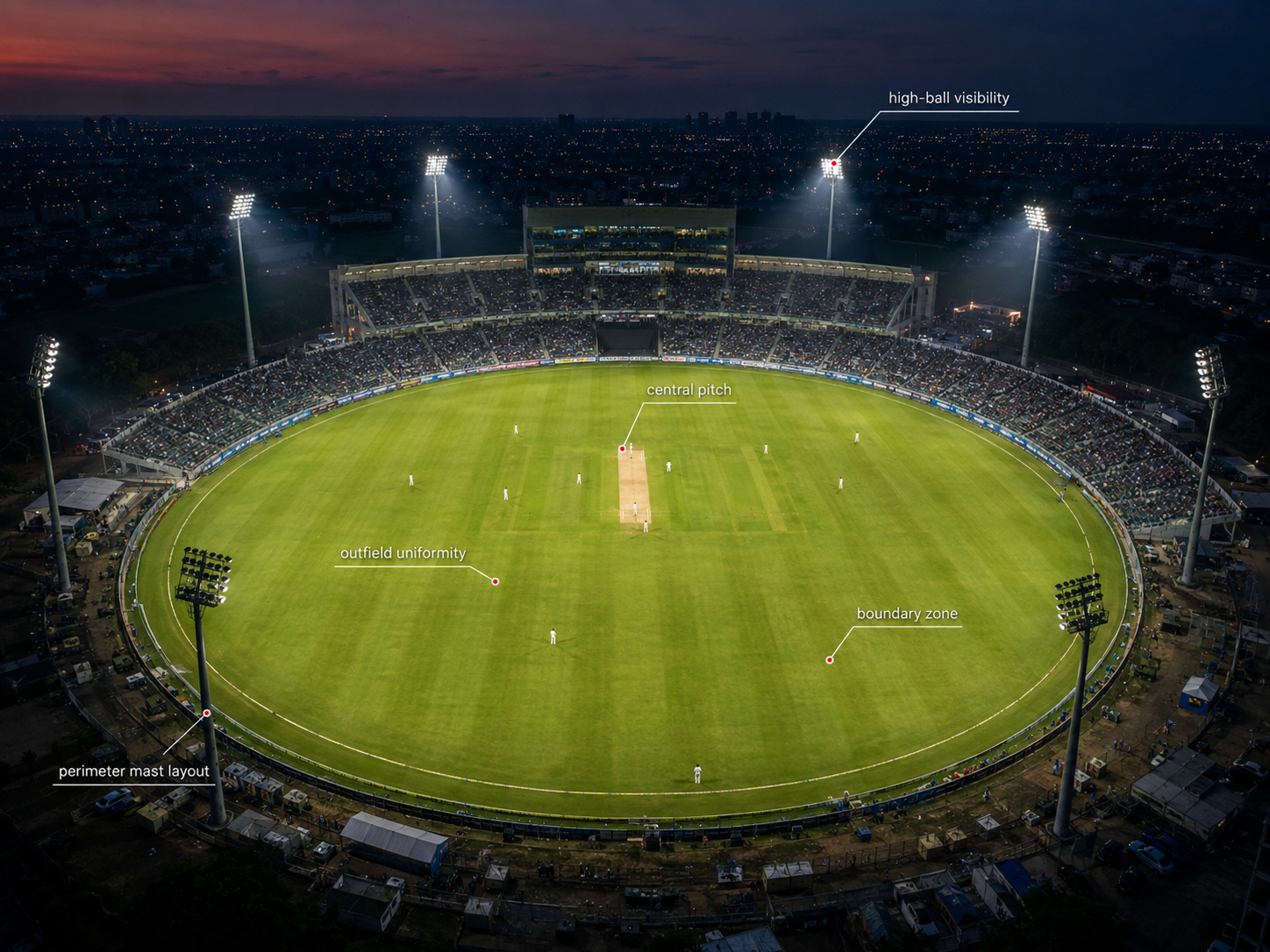
Large oval cricket venue showing the relationship between central pitch, outfield, boundary and perimeter high-mast positions.
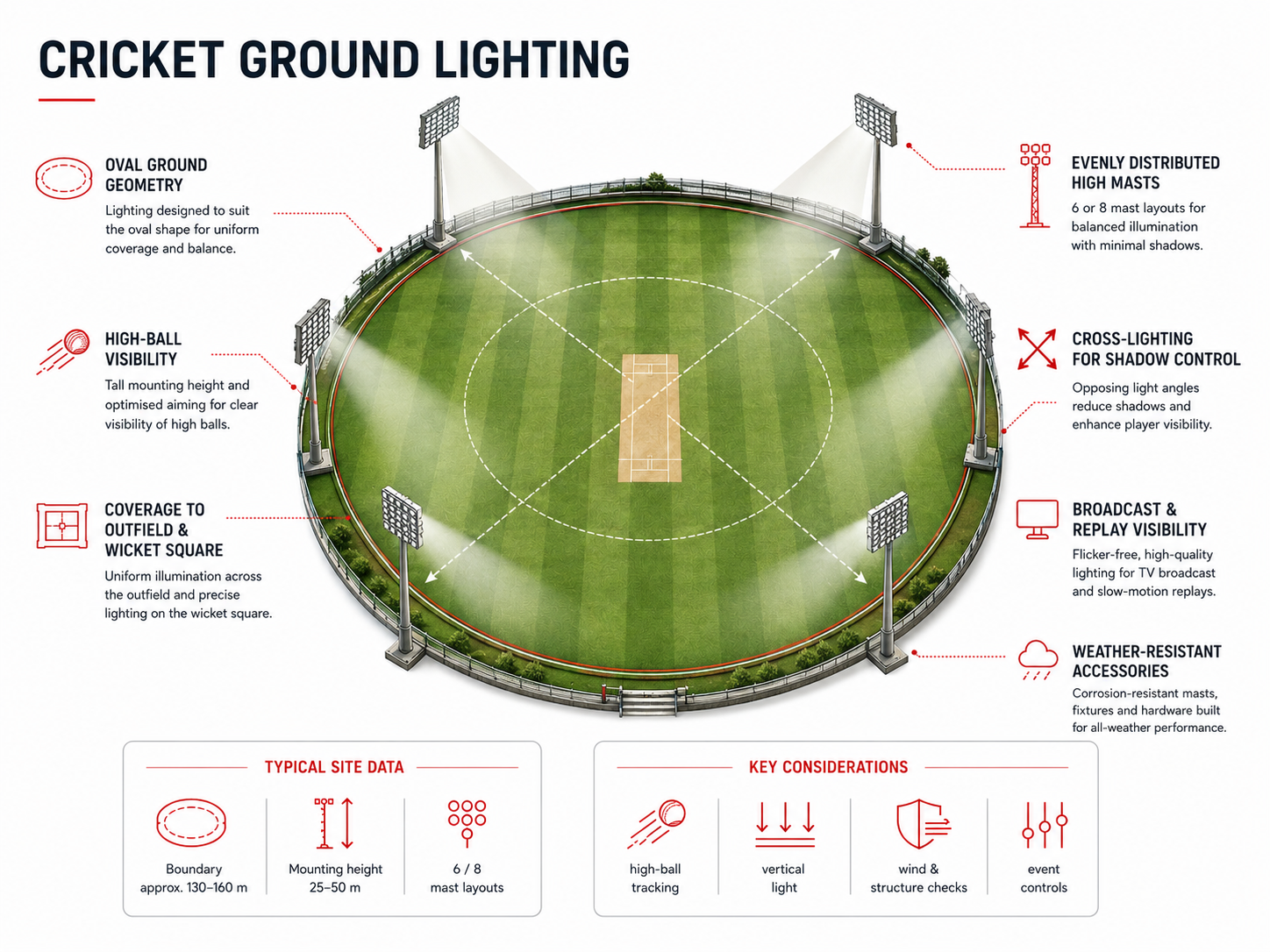
Indicative oval-ground mast logic for high-ball tracking, outfield uniformity and cross-lighting. Final mast positions should follow boundary and stand geometry.
Each tower usually carries fixtures for near, middle and far zones; mechanical grouping should follow the aiming schedule.
Reserve appropriate optical groups for the central pitch and key camera directions.
Use overlapping long-throw beams to reduce edge falloff and maintain visual continuity.
Symmetry is useful but should not override site constraints, stands or access. Every beam still needs a defined target.
A complete review considers playability, visual adaptation, camera or spectator needs and the effect of the lighting outside the venue.
Scene planning can reduce operating hours and energy use, but the control architecture must match the selected driver/product configuration. ZC can coordinate compatible luminaire interfaces; final system integration should follow the project control design.
Shielding, brackets, drivers and electrical accessories should be selected because the project needs them—not added as generic decoration.
LED retrofit decisions should combine structural, electrical, optical and operational review.
These are project starting points, not universal specifications. Final product, power, optics, accessories and controls should follow photometric calculation and installation conditions. Confirm the latest product configuration with ZC Lighting before specification.
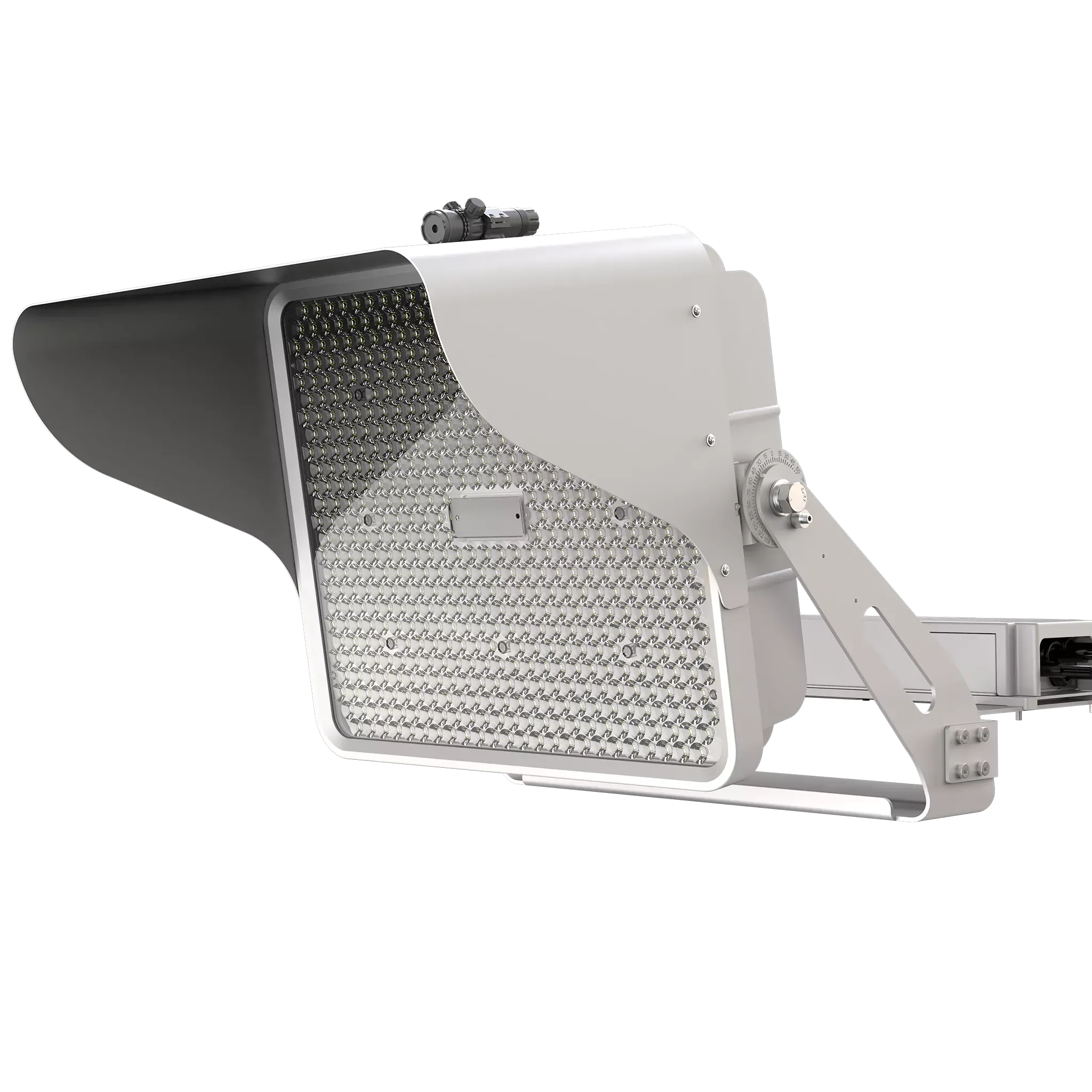
Professional long-throw sports luminaire for high mounting positions, large fields and projects requiring precise beam selection and camera-oriented light quality options.
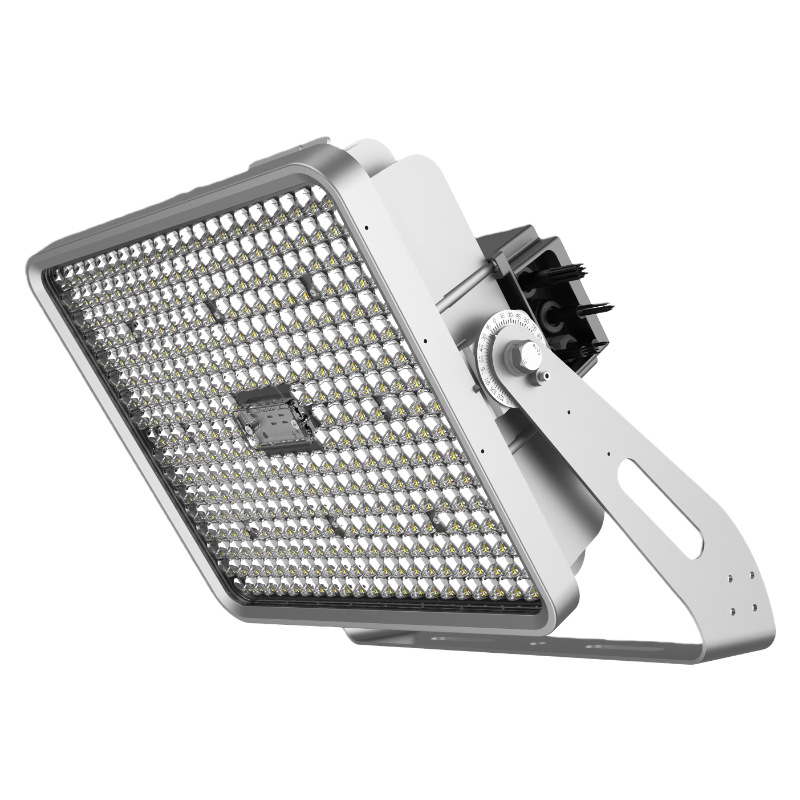
High-output integrated sports floodlight with multiple power, optical and color-quality configurations for professional stadium and long-throw projects.
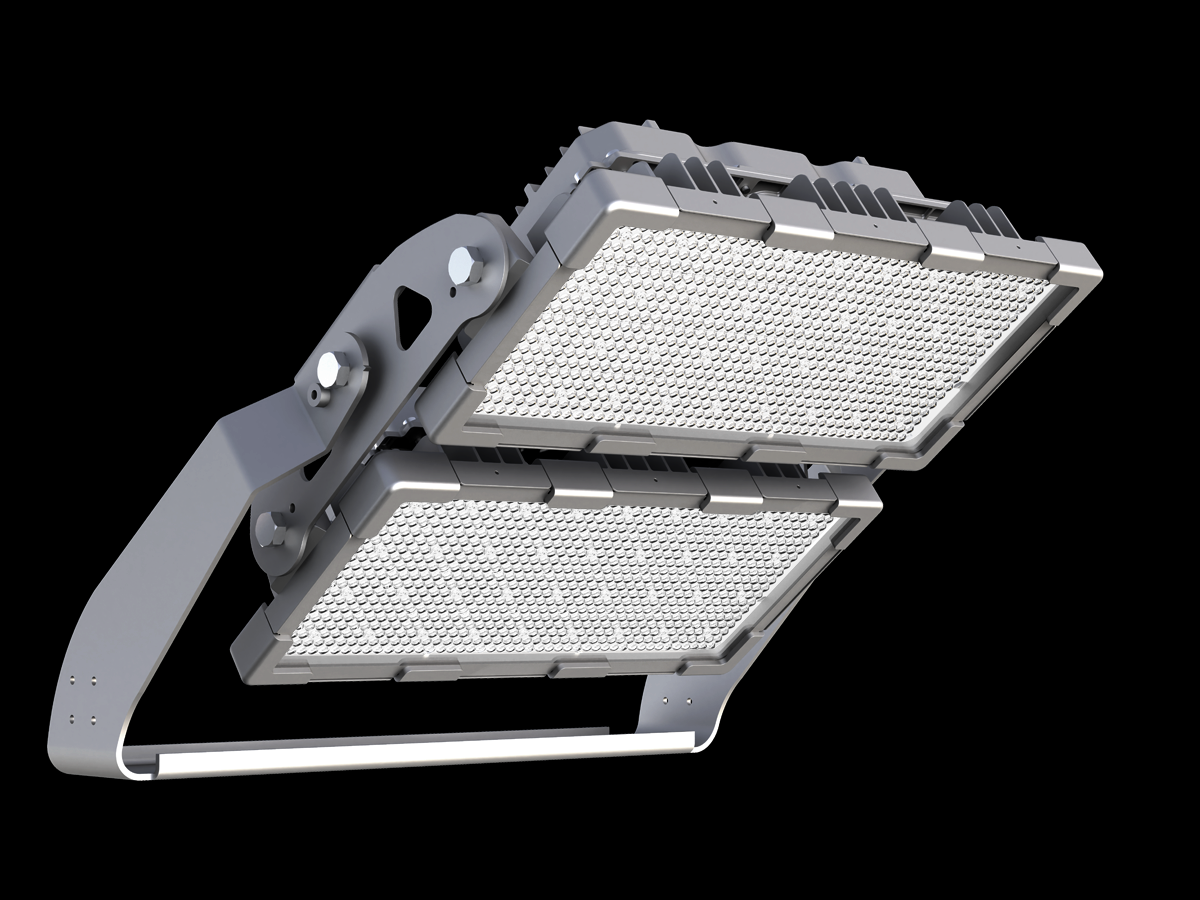
Modular sports floodlight with a broad power and optical range, useful where one project needs several beam distributions or phased fixture quantities.
Fixture orientation, aiming, control grouping and verification should be treated as part of the lighting design—not left to visual adjustment after installation.
Better input data reduces redesign, narrows the right product/optic combination and makes the first proposal more useful.
Dimensioned oval/boundary plan
Central pitch/wicket location
Tower locations and heights
Stand and camera positions
Level of play / broadcast target
Practice/net zones
Existing tower/headframe data
Off-site sensitive locations
These answers are practical engineering guidance. Final performance should be confirmed against the project requirements and applicable local or sport-specific standards.
The pitch, near outfield and far boundary are at very different distances and visual tasks, so mixed optical distributions are usually more efficient than one beam type.
Not necessarily. Fixture quantity and aiming positions must also control uniformity, vertical visibility and glare.
Review fielders’ upward sightlines toward the main tower groups in addition to horizontal/vertical calculations.
Often they are, but structural capacity, headframe space, electrical loading and aiming geometry should be verified.
Boundary dimensions, pitch location, tower layout/heights, stands/cameras, target match level and any off-site constraints.
Share dimensions, mounting positions and heights, target performance, existing fixture information and available drawings. ZC Lighting can then review product options, optics, quantity, aiming and compatible control requirements.
Email: info@zcled.com