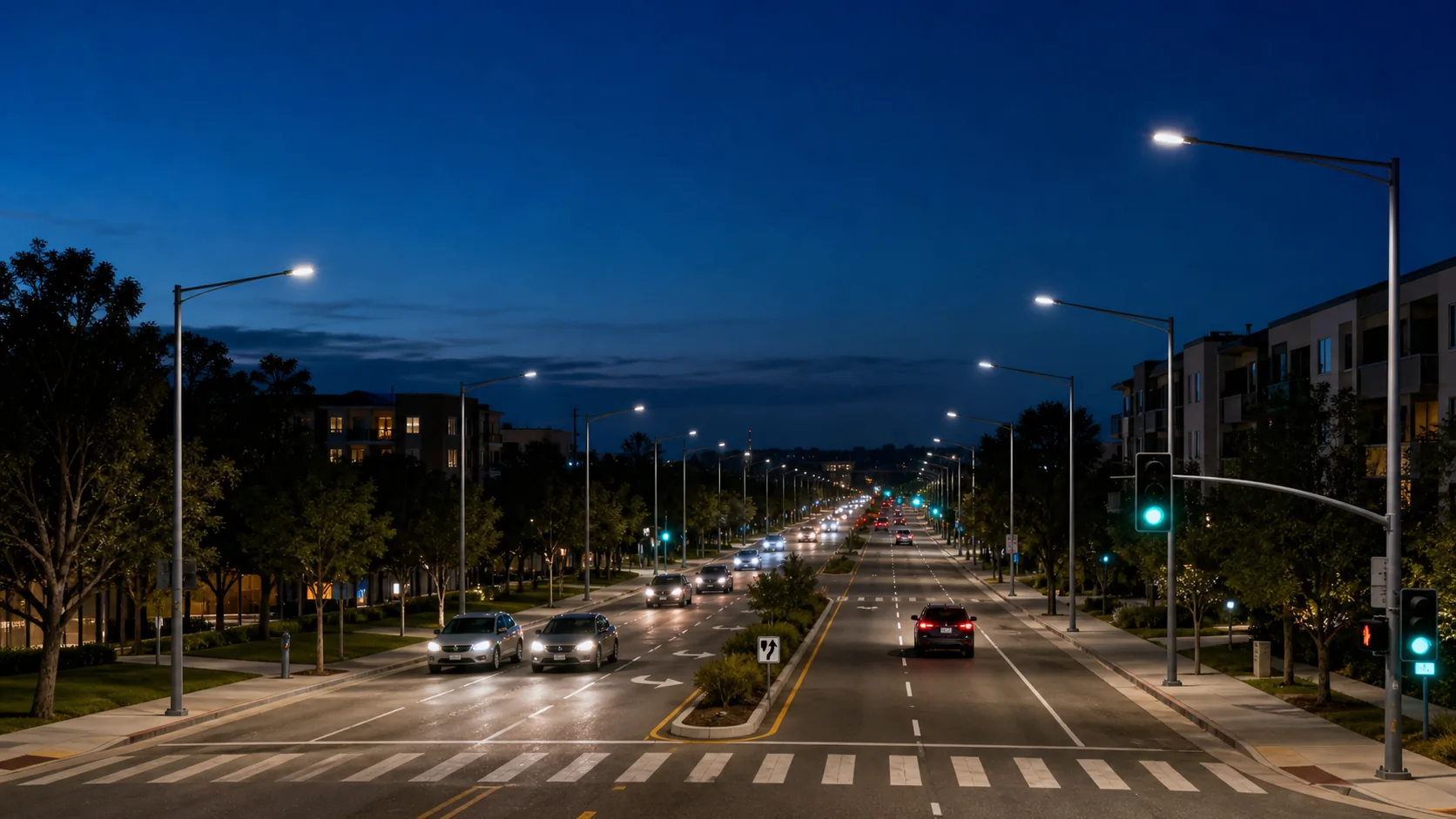
Street & Roadway Lighting
Road-specific LED lighting for arterial, collector and local roads.
View application
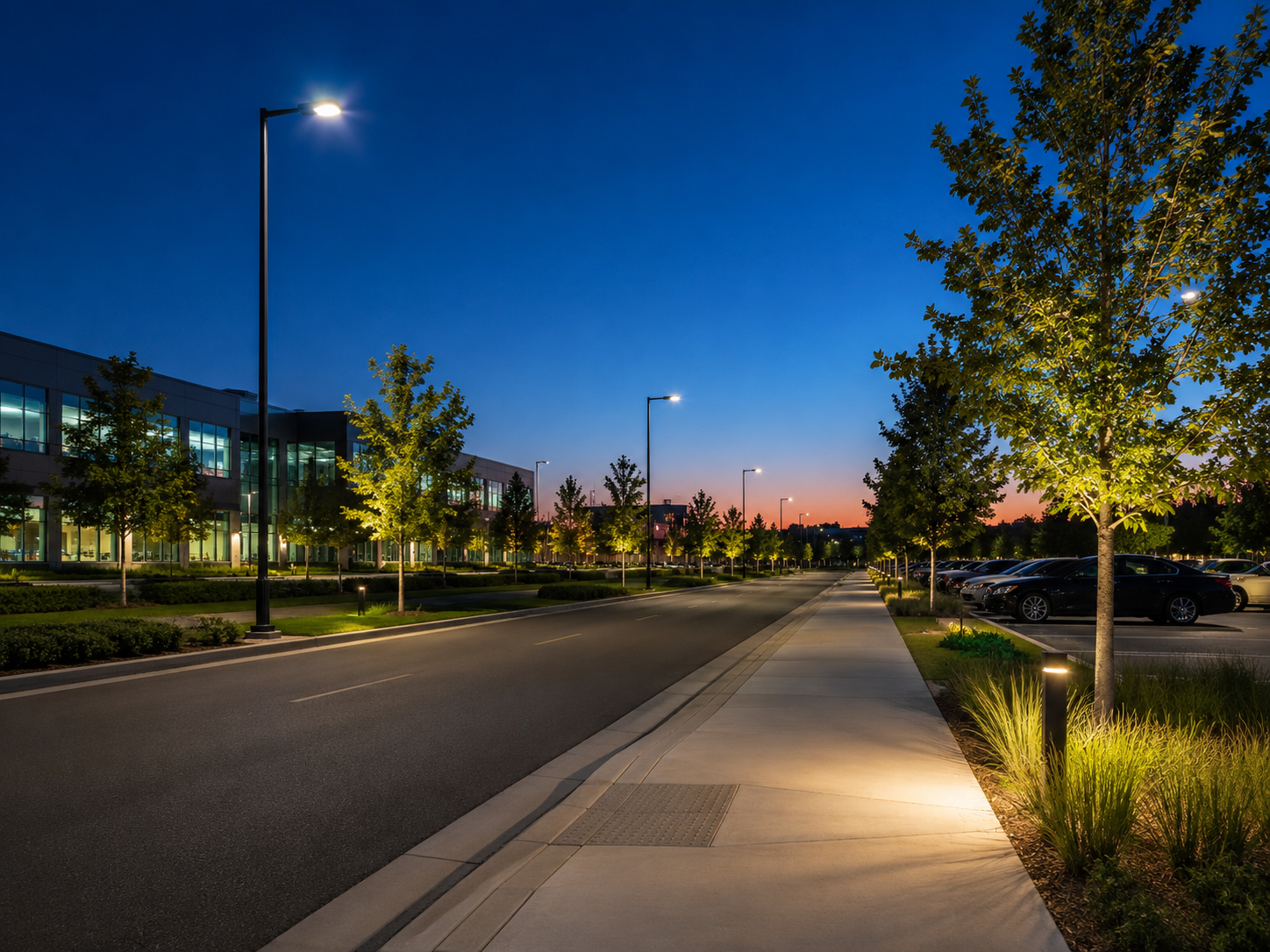
Road and public-area lighting depends on road width, pole spacing, mounting height and optical distribution. The objective is consistent visibility with less glare, spill and unnecessary upward light.
Road-specific LED lighting for arterial, collector and local roads.
View application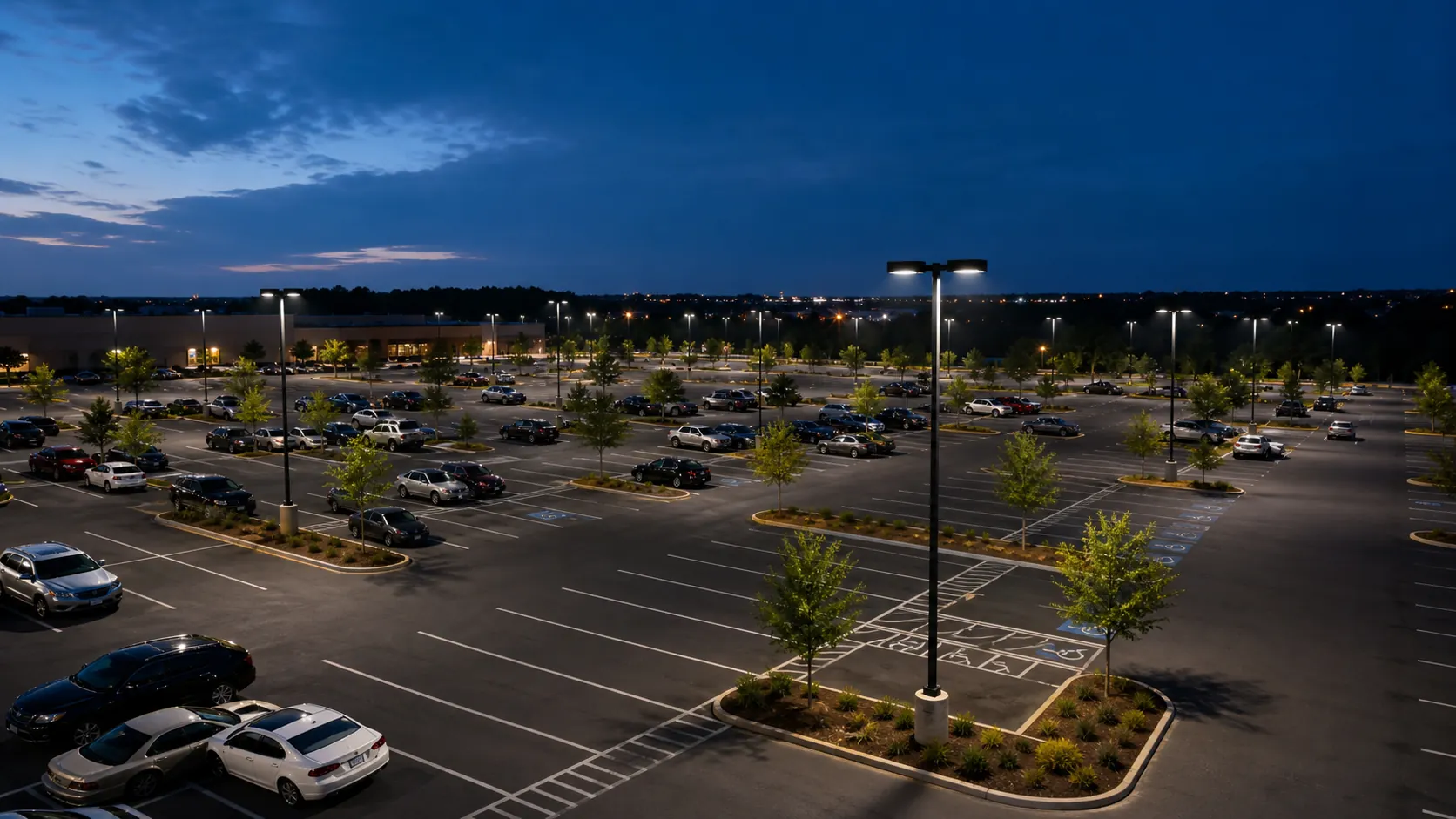
Area lighting for parking, pedestrian circulation and shared vehicle zones.
View application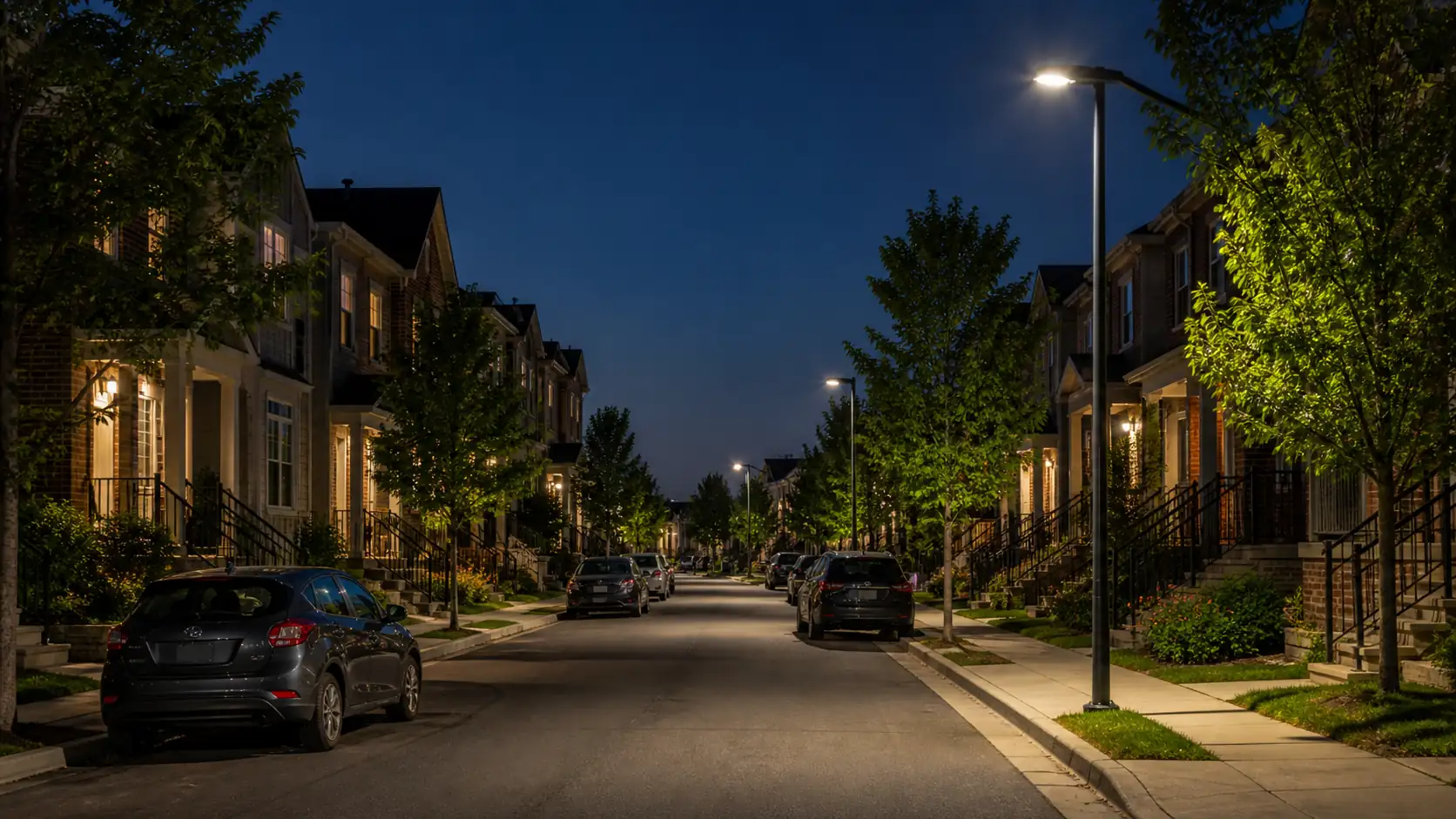
Comfort-oriented lighting with controlled glare and reduced residential intrusion.
View application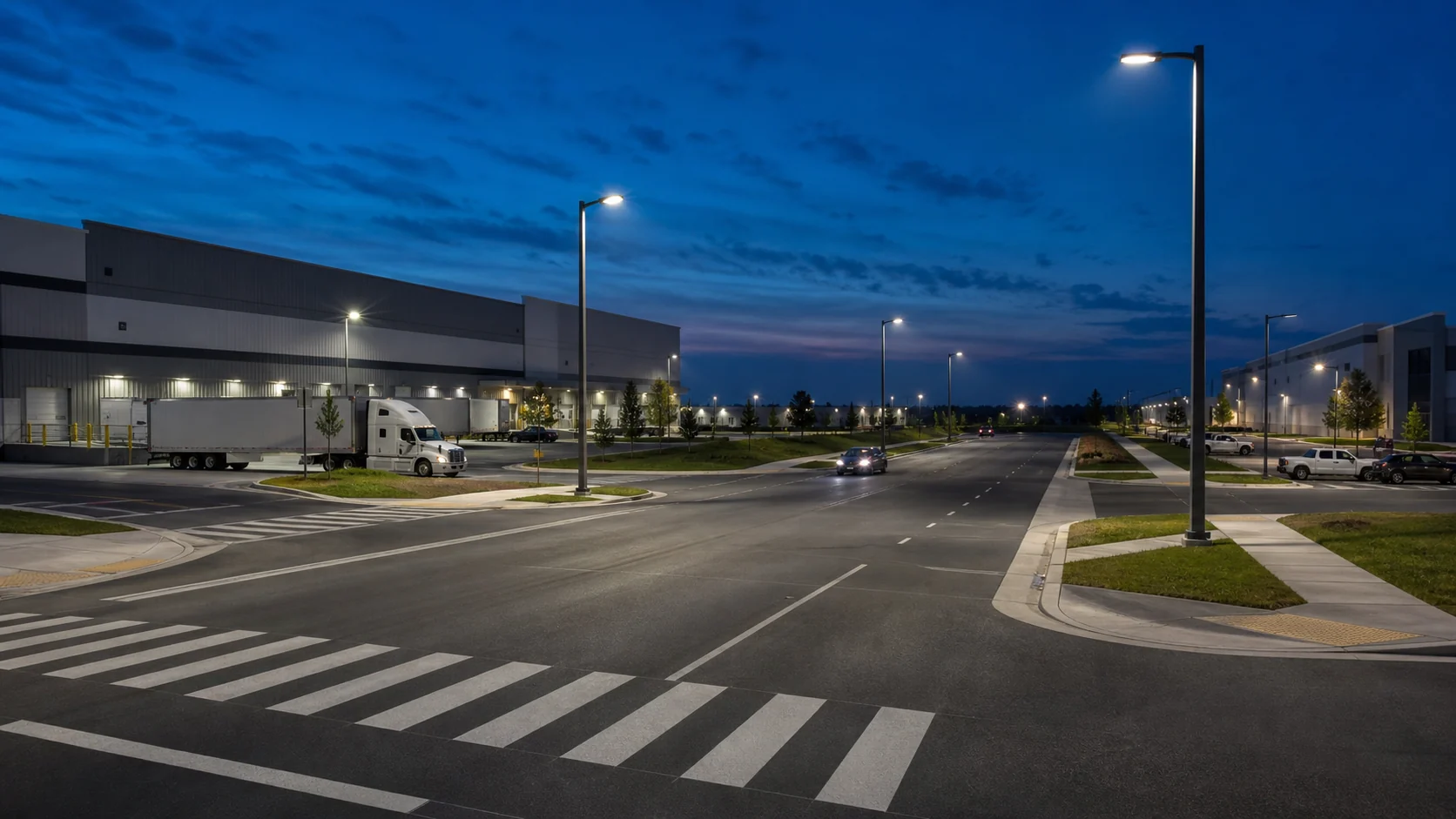
Road and area lighting for mixed truck, staff and pedestrian movement.
View application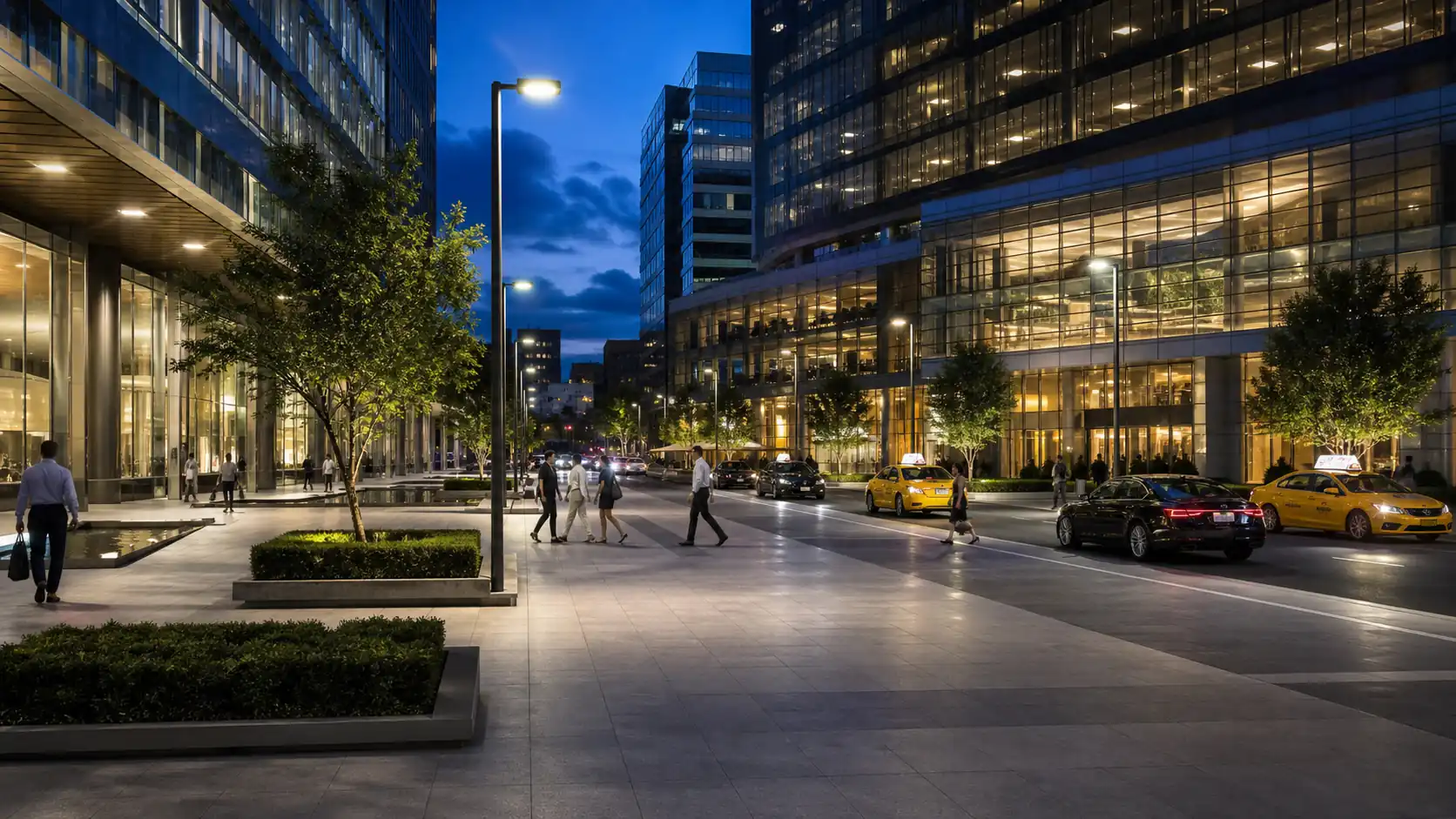
Area lighting for commercial plazas, retail approaches and shared public spaces.
View application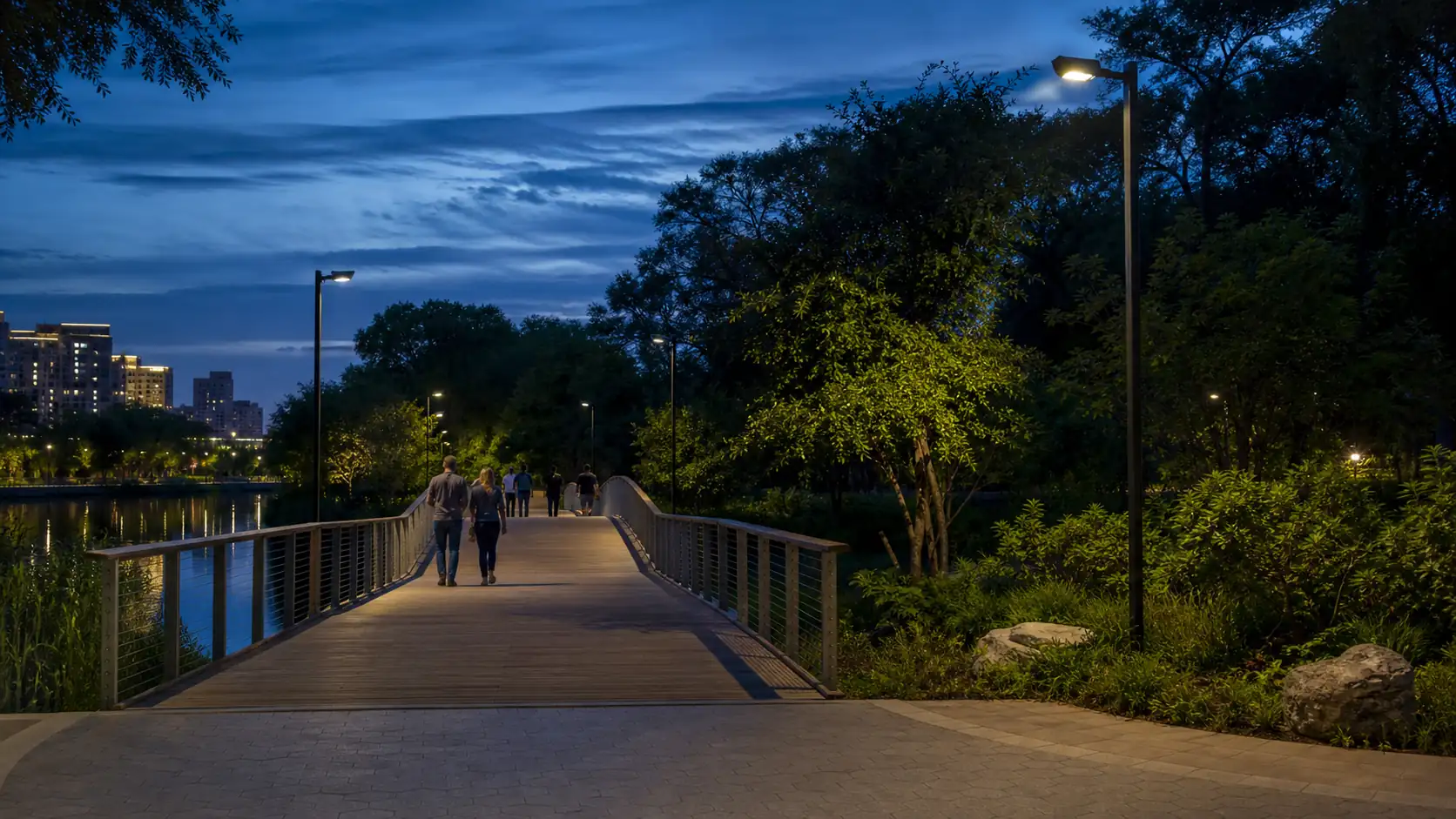
Comfort-oriented lighting for walkways and pedestrian circulation routes.
View application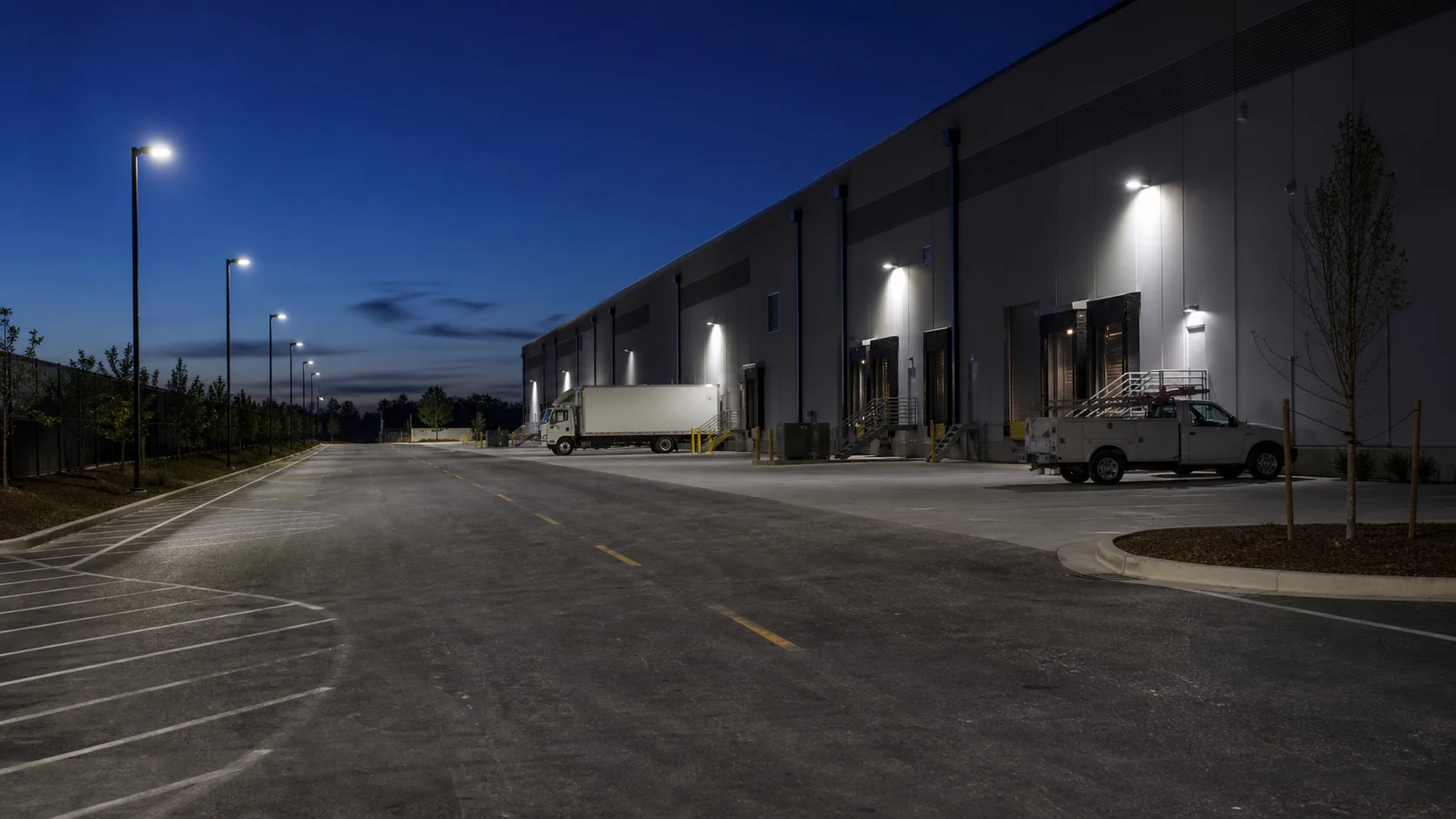
Public-space lighting balancing visibility, comfort and surrounding light control.
View application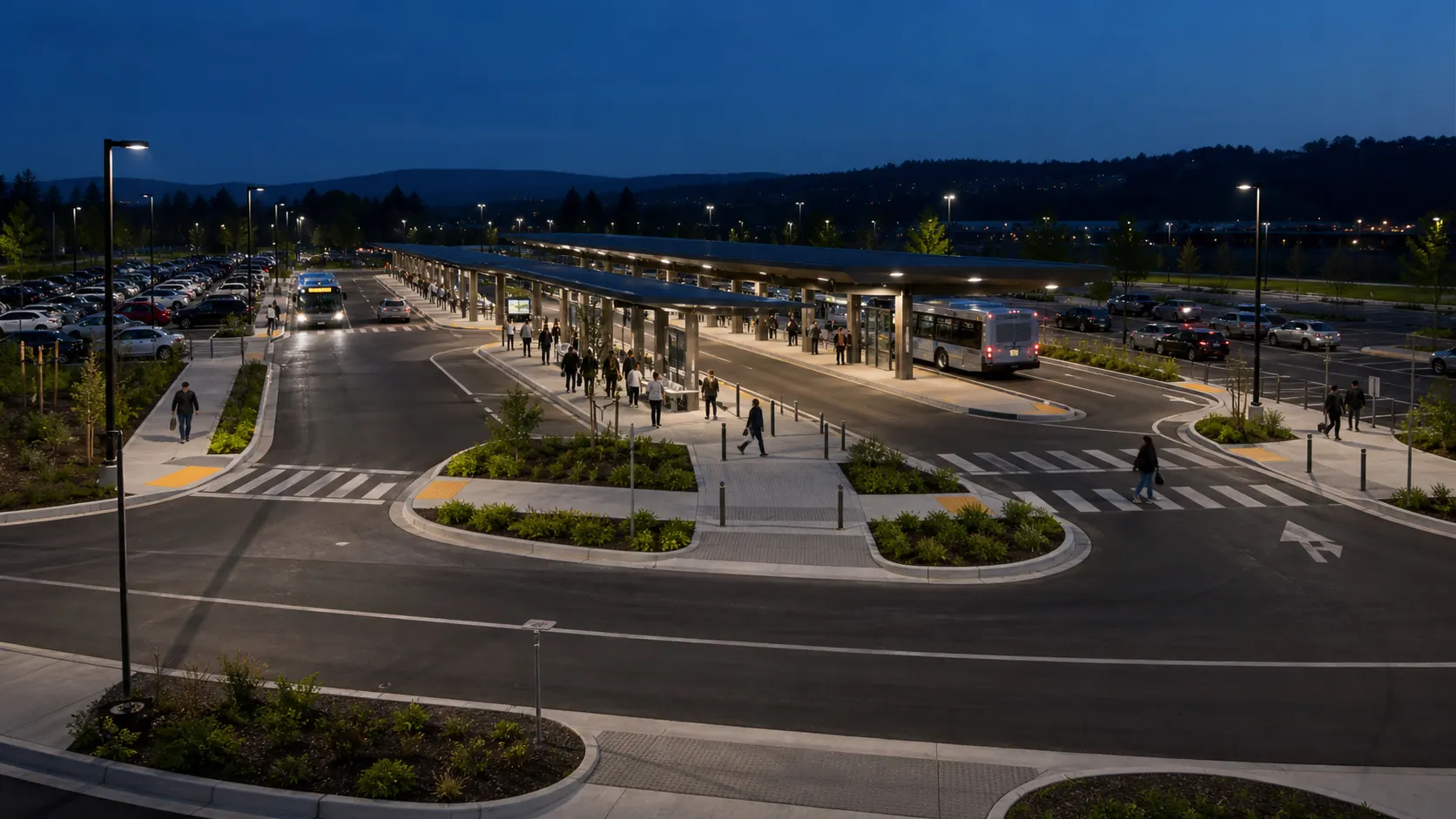
Lighting for passenger circulation, vehicle lanes and terminal operating areas.
View application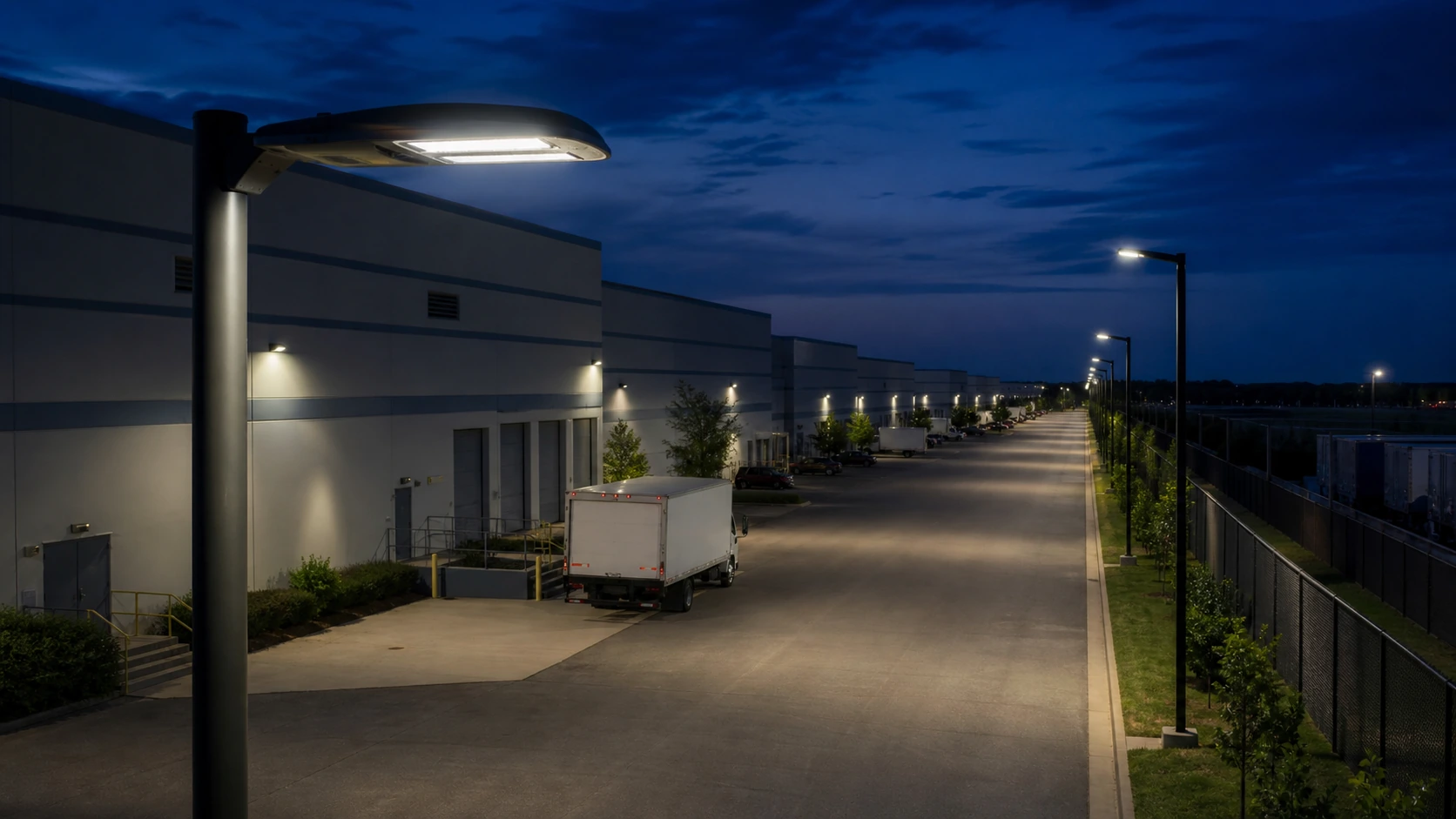
Roadway lighting for industrial, logistics and facility service routes.
View application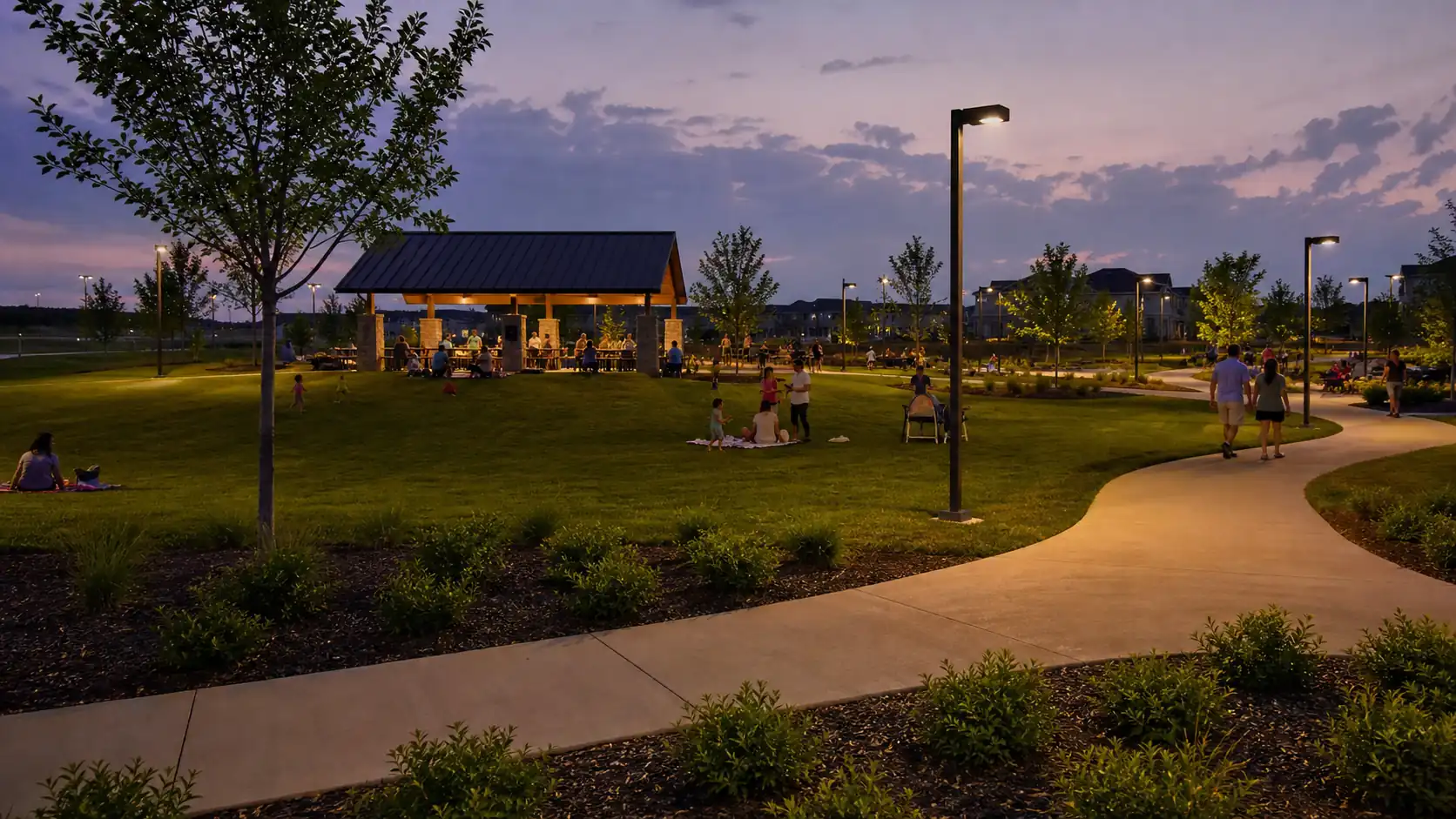
Area lighting for shared outdoor amenities and mixed-use public spaces.
View applicationThis library is designed to grow. Additional application guides can be added here without changing the page structure.
Request a new application pageThe same application can require a different lighting approach when glare, retrofit constraints, controls or environmental conditions change.
Match roadway or area distributions to the actual pole height, spacing and target geometry.
Limit visible source brightness, property-line spill and unnecessary upward light.
Plan photocell, NEMA, Zhaga or network-control interfaces when the project requires them.
Review existing arms, tilt, wiring and surge protection before replacing older luminaires.
These are starting points rather than universal specifications. Final selection should follow the project calculation and installation conditions.
Evaluate this product against the application geometry, optics, controls and environmental requirements.
Request priceEvaluate this product against the application geometry, optics, controls and environmental requirements.
Request priceEvaluate this product against the application geometry, optics, controls and environmental requirements.
Request priceEvaluate this product against the application geometry, optics, controls and environmental requirements.
Request priceBrowse additional ZC Lighting products and product families for project-specific selection.
Clear site information helps narrow the suitable product, optics, quantity and control strategy before a quotation is finalized.
Road or site plan and cross section
Pole positions, height, spacing, arm and tilt
Road class, target lighting performance and CCT
Dimming, control and boundary-light requirements
These answers provide a practical starting point before a full photometric or technical review.
Road width, lane count, pole arrangement, mounting height and spacing determine the distribution needed for a useful roadway layout.
Yes, where controls and local requirements allow it. The dimming strategy should preserve appropriate visibility and uniformity.
Pole position, pedestrian and vehicle visibility, vertical recognition, boundary light and security requirements should be considered together.
Share the application, site dimensions, mounting height, target lighting level and available drawings. Our team will review the project and recommend a suitable product and optical approach.
Email: info@zcled.com
* Required fields