
Glare discussions fail when technical language arrives before the client understands the decision
A client may ask for “anti-glare lights,” “zero spill,” or “the lowest glare possible.” Those phrases express a legitimate concern, but they do not define the project. If the response is only a product claim—“our fixture is low glare”—the conversation stays subjective.
This article is not another glare-design tutorial. It is a communication tool for sales and engineering teams that need to explain a real design trade-off without overselling the product or overwhelming the client.
Constraint → Effect → Options → Evidence → Decision
What must be protected?
Players, a road, nearby homes, spectators, cameras, a dark boundary—or several of these?
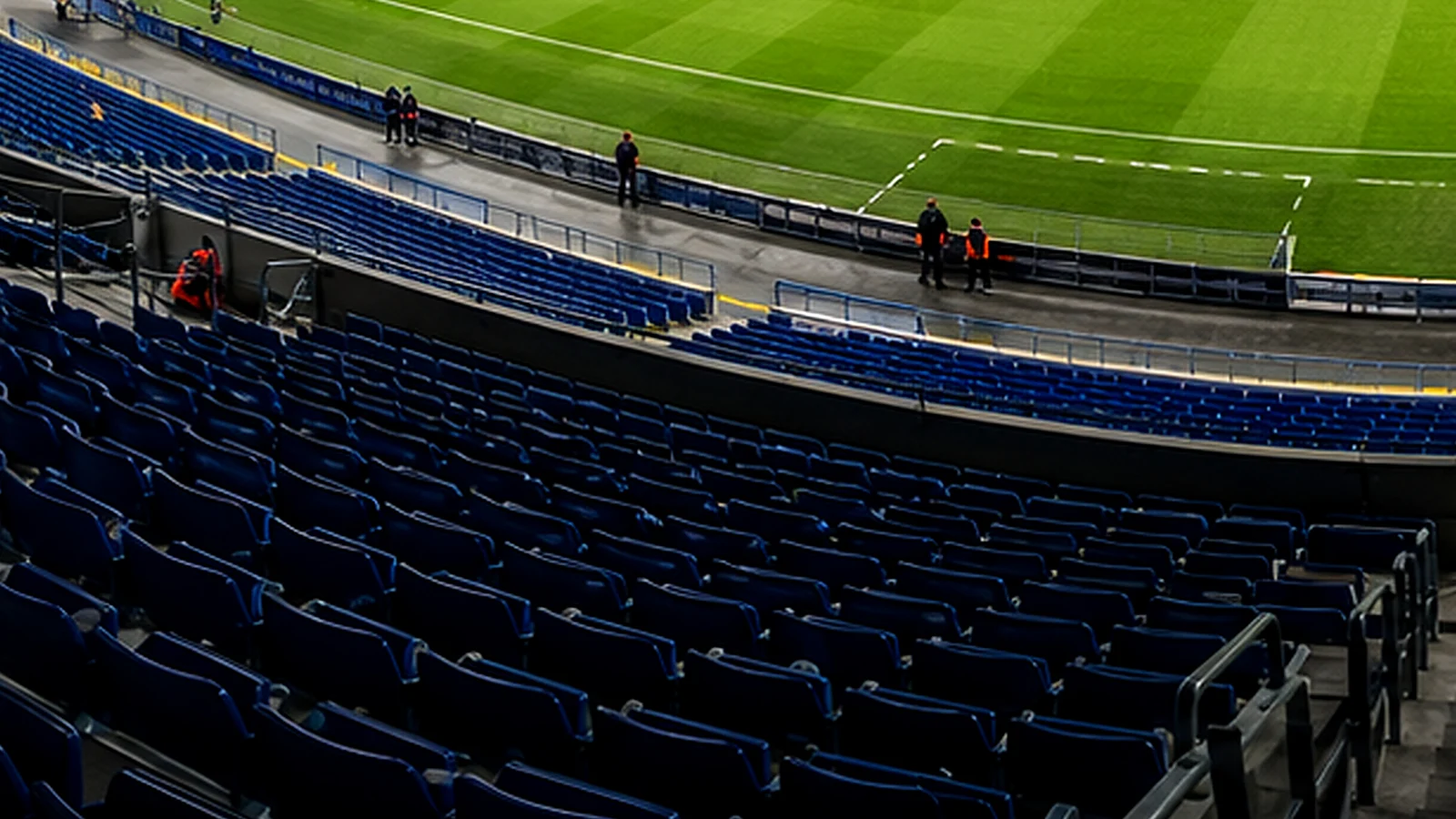
What does the current design do?
Show whether the issue comes from source visibility, high-angle intensity, spill, aiming or site geometry.
What can change?
Optics, aiming, shields, pole geometry, fixture count, power or operating scenes.
How will we compare?
Use photometric calculations, receptor points, aiming tables, product photometry and post-install checks.
Which compromise is accepted?
Record the chosen option, cost effect, performance effect and verification responsibility.
Translate technical trade-offs into project language
| Client says | Avoid saying | Better explanation |
|---|---|---|
| “Can you guarantee no glare?” | “Yes, this is an anti-glare fixture.” | “We can design for the project’s defined observer positions and applicable glare criteria, then verify the installed aiming. We should first agree which views matter most.” |
| “Why do we need more fixtures?” | “Because low glare needs more lights.” | “The additional aiming points let us distribute light with less intensity burden per luminaire and avoid pushing too much light toward critical angles. We will compare the cost and performance of both options.” |
| “Can we just add visors?” | “Yes, visors solve glare.” | “A visor can screen a specific direction, but it may also remove useful light. We should confirm the receptor, optimize aiming first, then recalculate the shielded condition.” |
| “Why can’t we use the cheapest optic?” | “The premium optic is better.” | “The optic changes where intensity is placed. The comparison should show field performance and off-site impact, not only unit price.” |
| “We already meet lux. Why change anything?” | “Lux is not enough.” | “The field target is one acceptance layer. We also need to review the views and boundaries that the project identified as important.” |
Show the client the trade-off instead of asking them to trust an adjective
Which pole groups and directions create the issue?
Where are windows, roads, seating or player views?
What changes with another optic, angle or shield?
What changes in fixtures, poles, controls or installation?
What information is verified and what is provisional?
How will the installed result be checked?
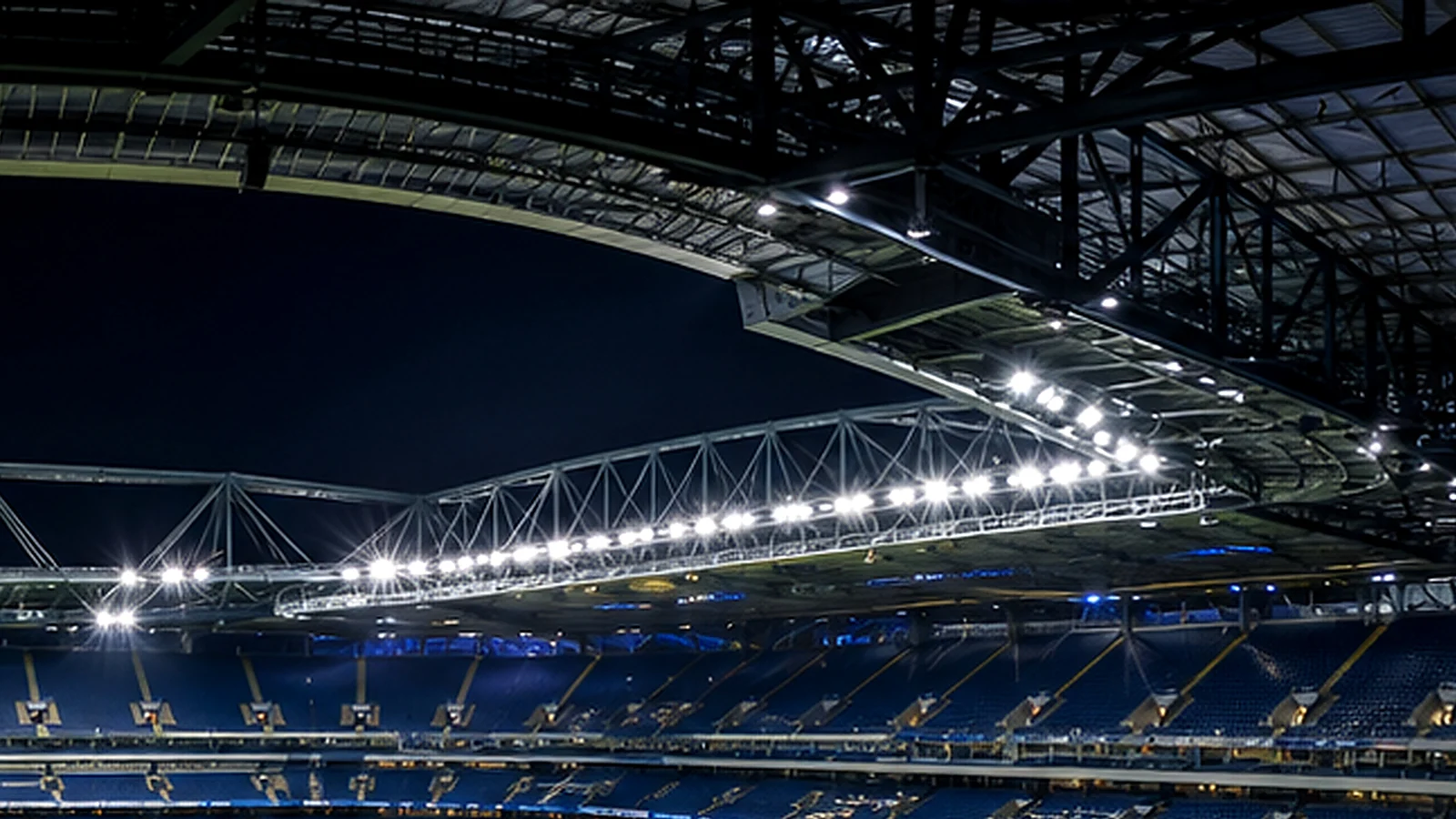
This approach also protects the commercial relationship. It makes visible where ZC Lighting can support the luminaire and photometric work, and where structural approval, local-code interpretation or final site acceptance belongs to other responsible parties.
Five statements sales teams should avoid
- “Zero glare.” Glare depends on observer position and the complete installation; avoid absolute claims.
- “This visor fixes spill.” Shielding is directional and may change useful output.
- “This product meets every dark-sky requirement.” Project requirements and approval programs vary, and complete-installation performance matters.
- “More lux is always safer.” Unnecessary light can increase energy use, reflection and obtrusive-light risk.
- “The simulation guarantees the installed result.” Installation tolerance, aiming and as-built conditions still need control and verification.
The more professional position is narrower: define the project criteria, design against them, document assumptions and verify the installed condition.
Use product links to support the decision—not replace it
When a client asks for a suitable product, link to the relevant family after the project constraint is clear. A consultant reviewing a full-cutoff requirement, a padel club near homes and a stadium retrofit may need different product pages and photometric files.
Confirm the latest specifications and model-specific certificates or test reports before using product data in a tender or compliance statement.
자주 묻는 질문
Should salespeople discuss glare metrics with clients?
Yes when they are relevant, but start with the project’s observer and approval problem. The metric should explain the decision, not replace the conversation.
How do we answer a client asking for “zero spill”?
Clarify the boundary, operating condition and acceptance method. Absolute language is usually less useful than a defined receptor and measurable requirement.
When should engineering join the sales conversation?
As soon as glare, spill, pole geometry, product substitution or a compliance-sensitive requirement could change the photometric design.
What is the best way to compare two options?
Use the same project basis and show the change in field performance, receptor impact, cost and assumptions side by side.
Authoritative sources and related guidance
- CIE 150:2017 — Guide on the Limitation of the Effects of Obtrusive Light from Outdoor Lighting Installations, 2nd Edition
- Institution of Lighting Professionals — current guidance resources, including GN01/26 on the avoidance of obtrusive light
- DarkSky — Outdoor Sports Lighting guidelines
- FIFA Stadium Guidelines — Technical systems and services / floodlighting
Need a project-specific lighting review?
Send ZC Lighting the venue type, field dimensions, pole height and locations, target lighting criteria, nearby sensitive areas and any existing design files. The technical team can review suitable product configurations and photometric options for the project.
프로젝트 지원 요청View Product RangeFinal project requirements, local approvals and structural decisions remain subject to the responsible project parties and applicable regulations.