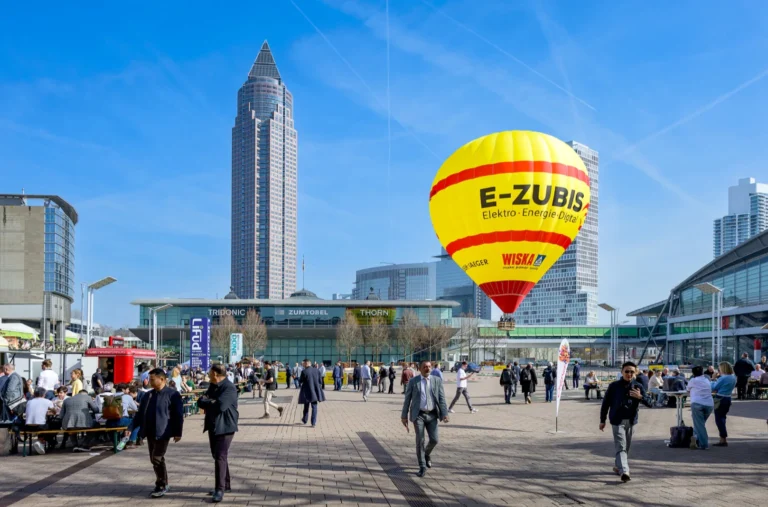
Light + Building 2026 Has Ended. The Conversations Are Moving Forward
Post-Show News | Frankfurt 2026 Light + Building 2026 Has Ended. The Conversations Are Moving Forward. Our week in Frankfurt has come to a close,

Post-Show News | Frankfurt 2026 Light + Building 2026 Has Ended. The Conversations Are Moving Forward. Our week in Frankfurt has come to a close,
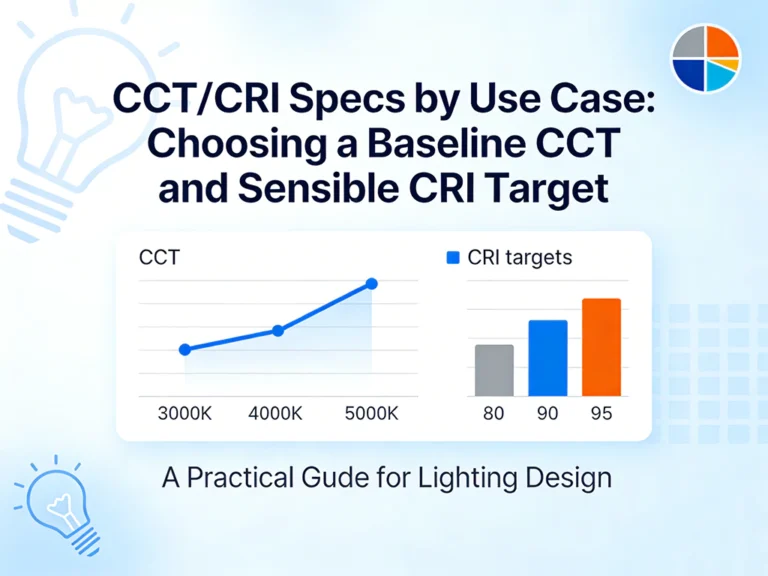
Color specs can waste budget or create patchiness when written badly. Use a practical method: define the use case, select one baseline CCT, set a
Coastal failures are usually hardware failures. This guide shows how to specify a corrosion delivery pack and how to verify execution with as-built evidence and
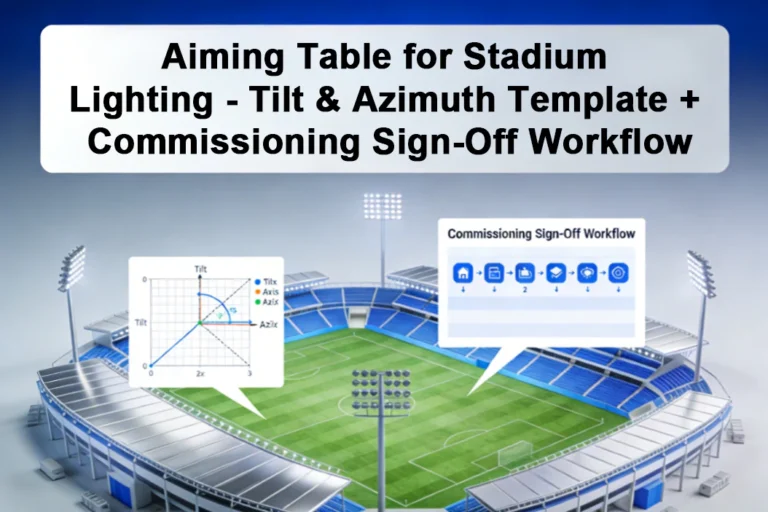
Stop losing time in ‘aim again’ loops. Use a structured aiming table (tilt/azimuth per fixture), record as-built angles, and verify with a repeatable sign-off workflow.
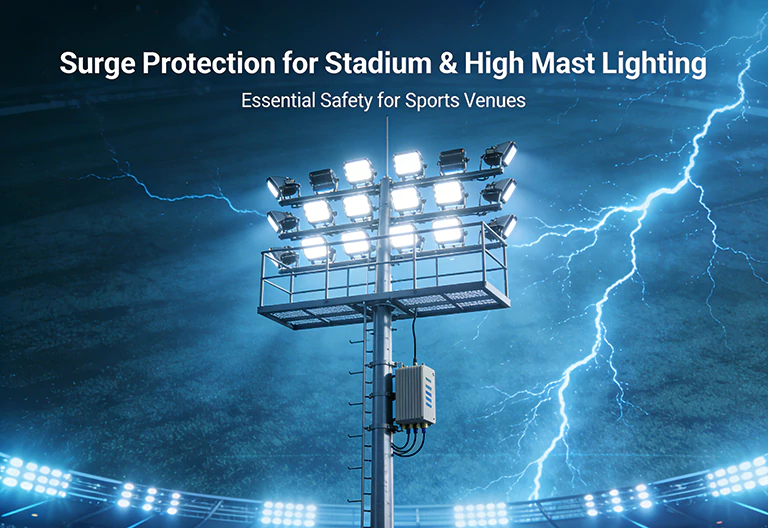
Surge events are one of the most common real-world causes of driver failures-especially on tall poles in open terrain. This guide turns ‘SPD included’ into
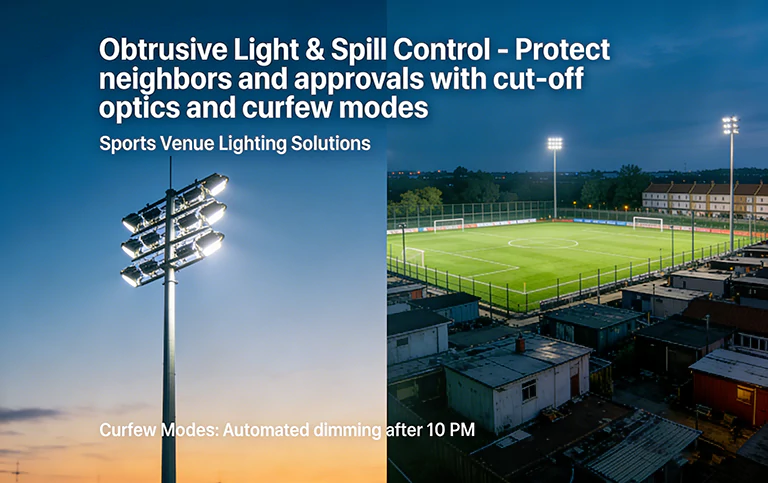
Stadium lighting near residential areas often fails not on lux-but on spill, complaints, and approvals. This guide turns spill control into measurable contract language and
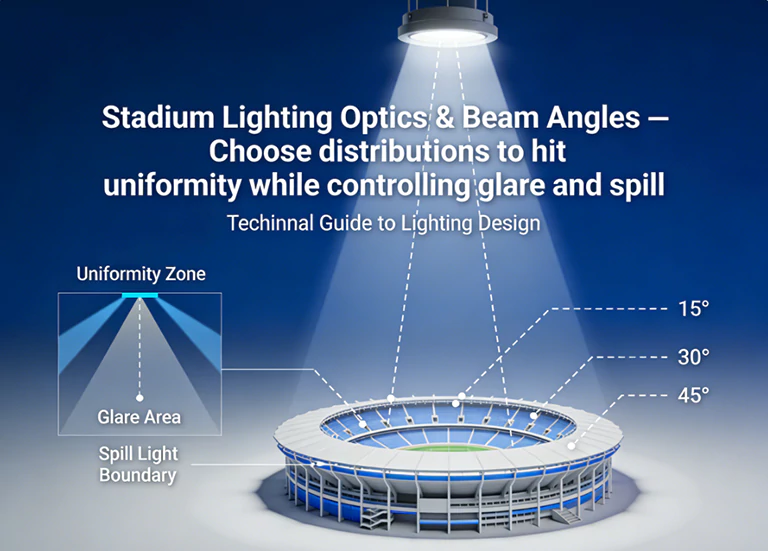
Optics selection is where stadium lighting projects are won or lost. The right distribution improves uniformity and cuts glare without increasing power; the wrong choice
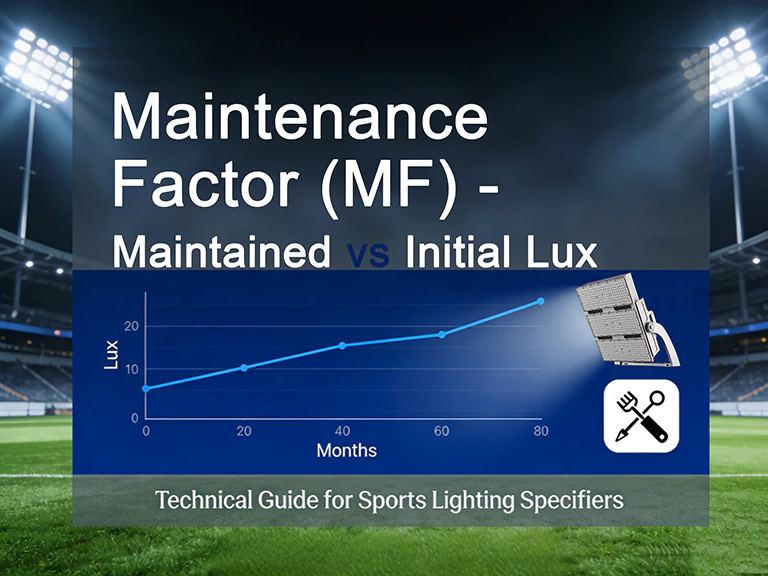
Many sports lighting disputes are not about day-one brightness-they are about what happens after months of operation. MF is the simplest way to align targets
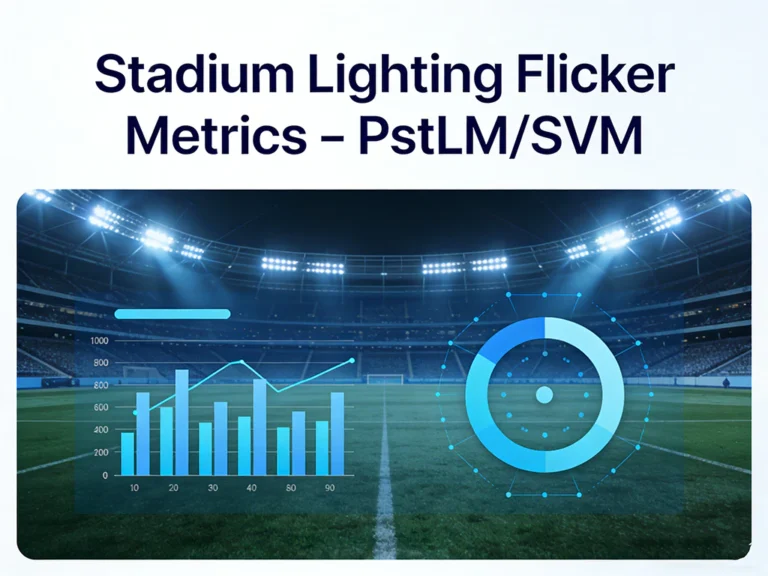
Many tenders say “flicker-free” or “no banding,” but those phrases are not enforceable unless you define measurable metrics and a test plan. This guide shows
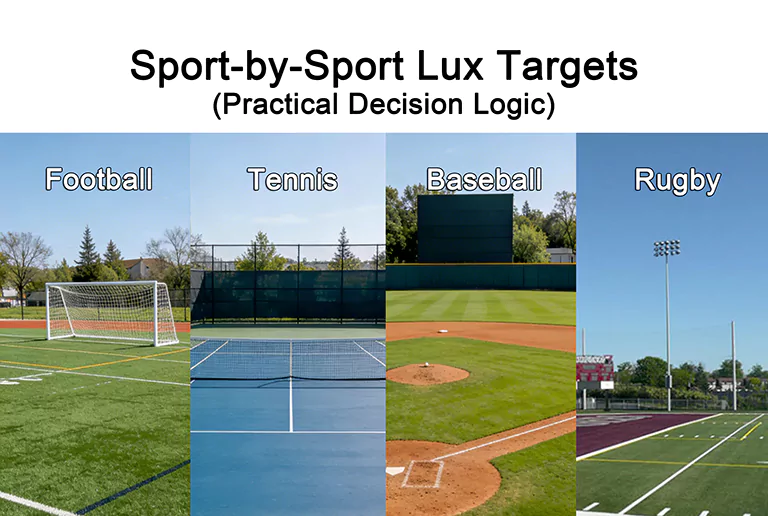
Sport-by-sport target setting chain-avoid over-engineering by locking tier and acceptance rules. Lux targets vary by level of play and standard-but the decision logic is repeatable.
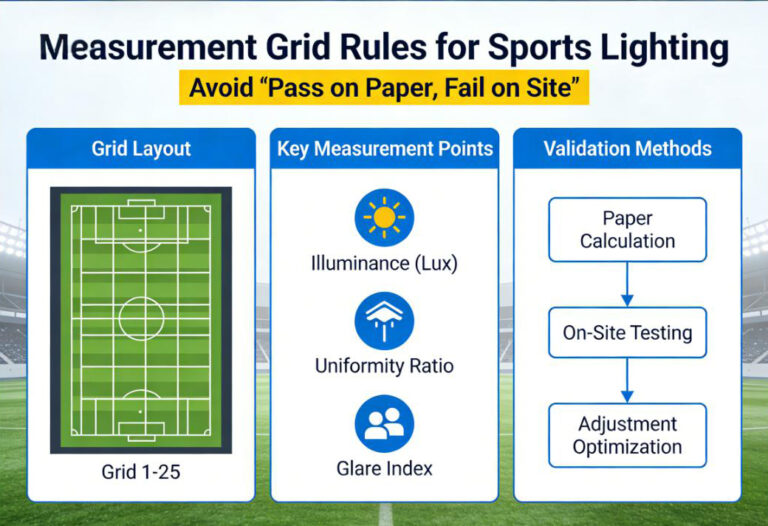
Measurement grid + reference area-avoid sign-off disputes by keeping grid rules consistent. If the design simulation used one grid and the on-site acceptance test used
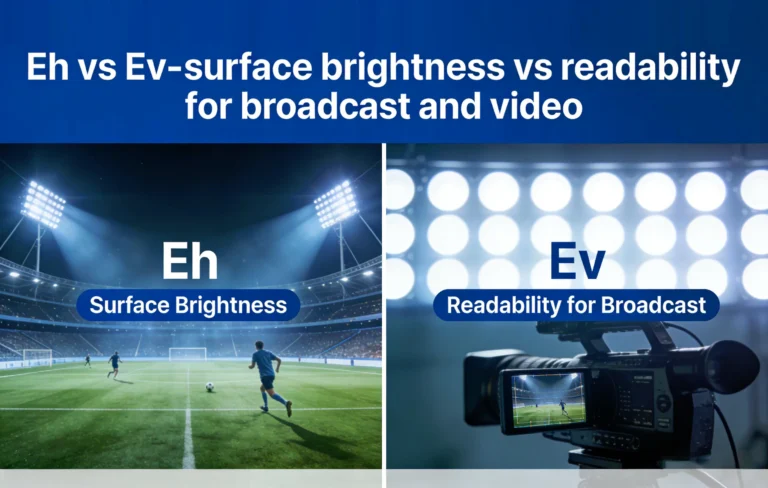
Eh vs Ev-surface brightness vs readability for broadcast and video. Many sports lighting projects pass average lux requirements but still look visually flat-especially on camera.

GR / UGR / TI glare metrics-choose the correct metric and document viewpoints. Glare is one of the most common reasons sports lighting projects get
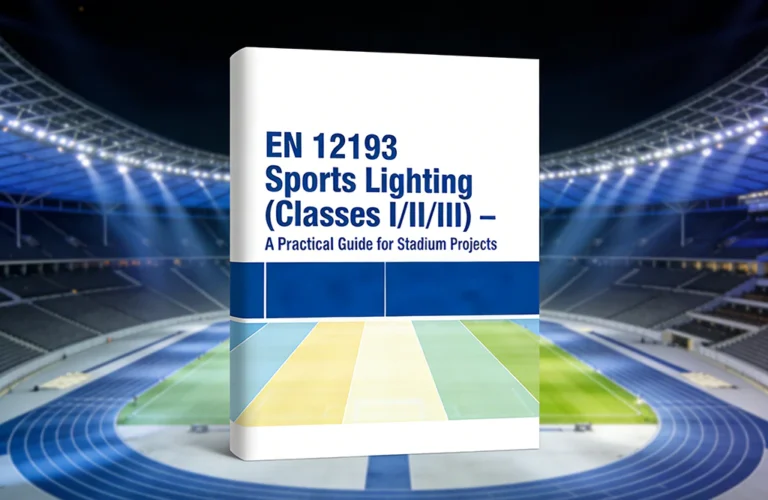
EN 12193 is often referenced in European sports lighting tenders-but many projects still struggle to translate it into a design workflow, a measurement plan, and
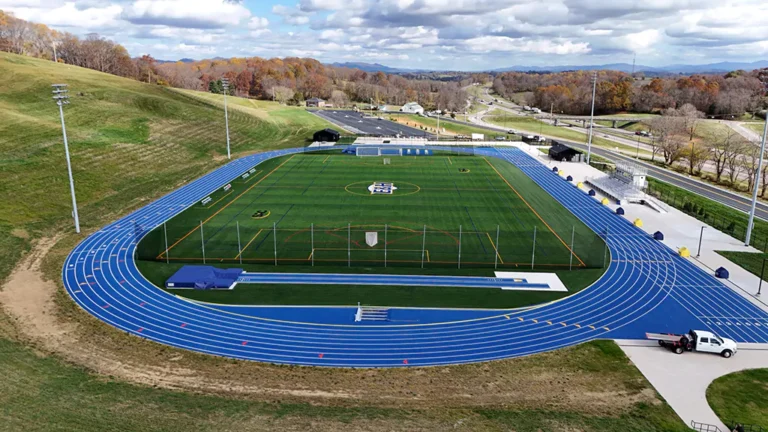
Risk control is not only about avoiding mistakes during installation. It is also about defining acceptance criteria so the project can be signed off confidently.
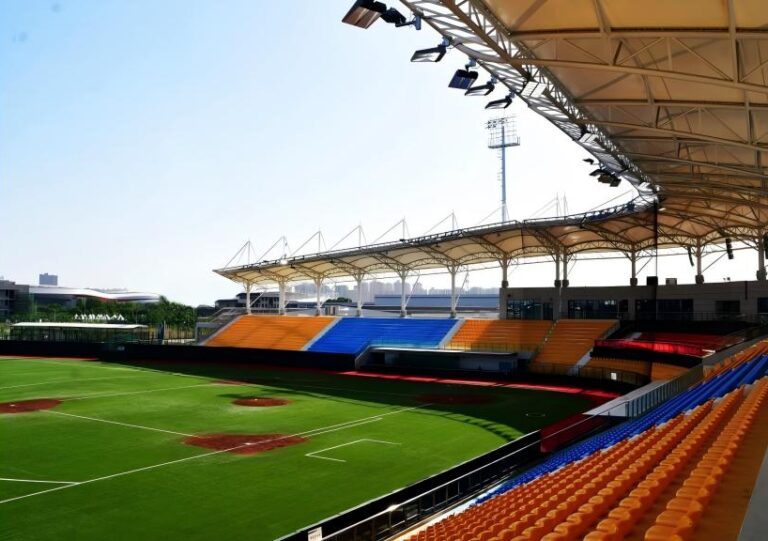
Below is a qualitative total-cost comparison. Numbers vary by site, but the logic is consistent: more devices and more control points increase labor, commissioning time,
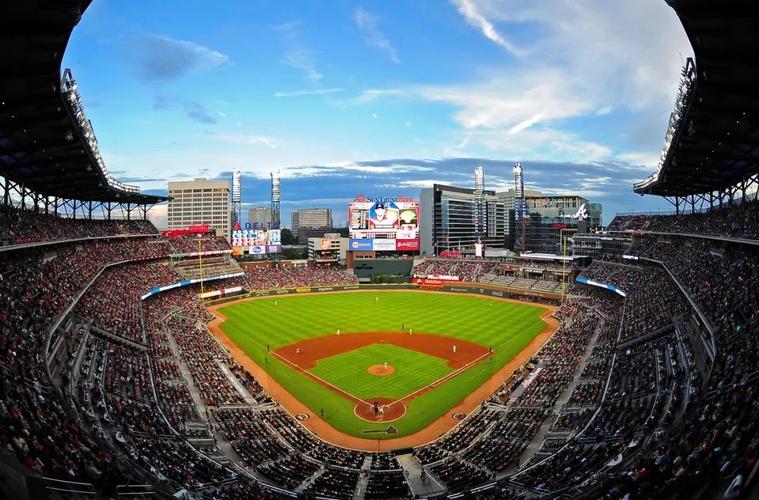
Many venues treat match lighting and atmosphere lighting as separate purchases. Sometimes that is the right choice. But in other projects, combining white match lighting
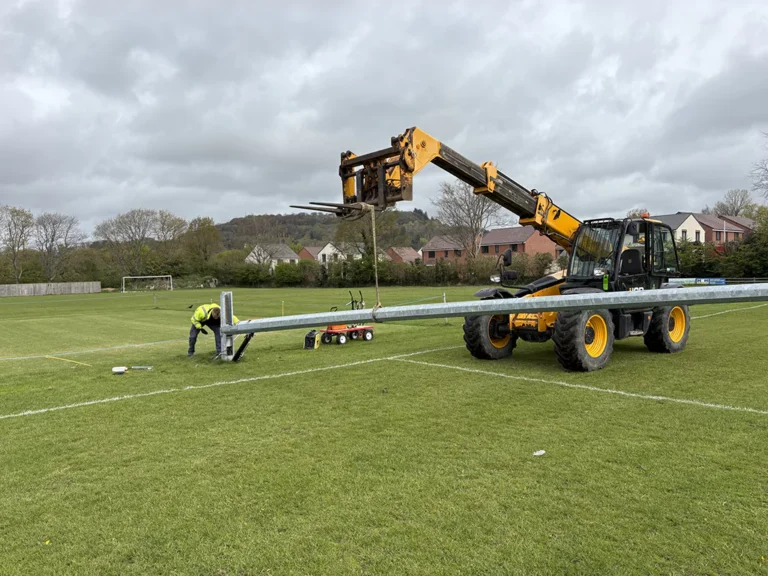
On-site problems are rarely ‘bad luck.’ They are usually missing steps, unclear roles, and untested workflows. This guide shows a repeatable process for reducing risks
Controls can improve ROI and venue operations-but they can also add unnecessary complexity if selected without a clear use-case. This guide classifies stadium lighting controls
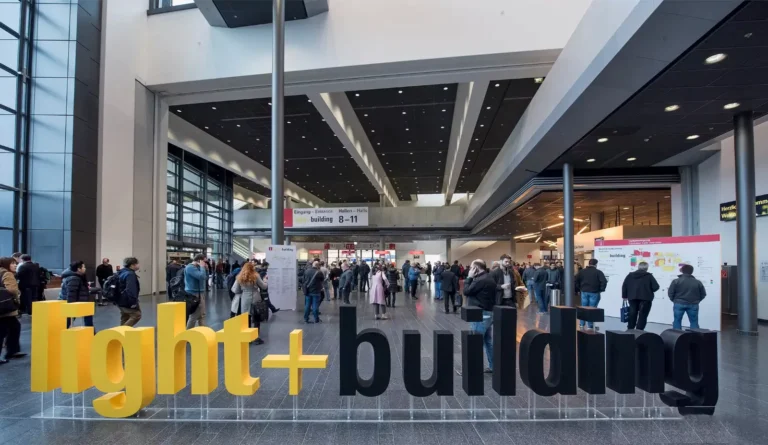
Before a show floor opens, the most important work happens off-stage: validating space, workflows, installation steps, and control demos so execution becomes repeatable. This article