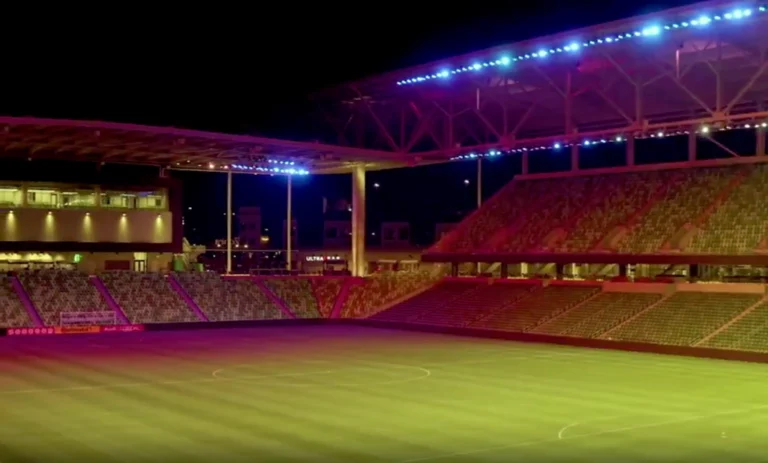
RGBW in Stadium Lighting – Who Really Needs It and Who Doesn’t?
RGBW can transform a venue’s experience, but it is not a default upgrade for every project. This buyer guide explains who truly needs RGBW, who

RGBW can transform a venue’s experience, but it is not a default upgrade for every project. This buyer guide explains who truly needs RGBW, who
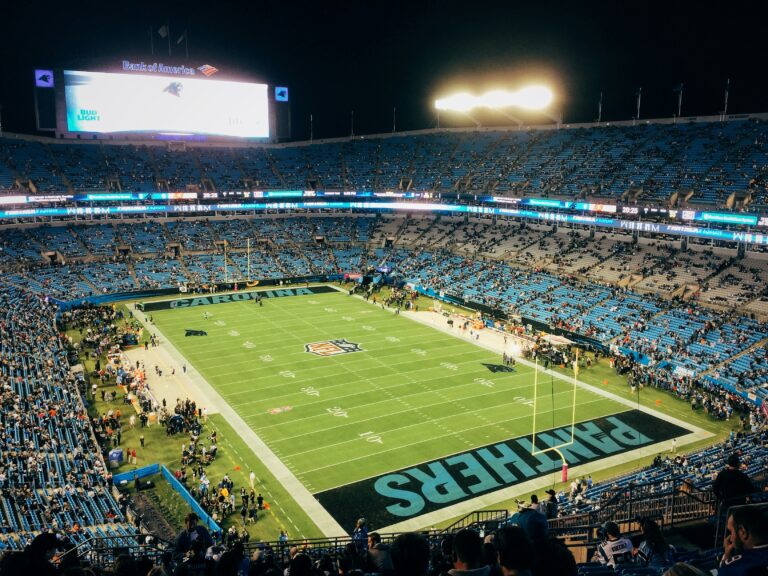
Modern venues demand more than brightness. Stadium lighting increasingly supports broadcast readiness, multi-use operations, fan experience, and city identity. This guide explains advanced applications, the
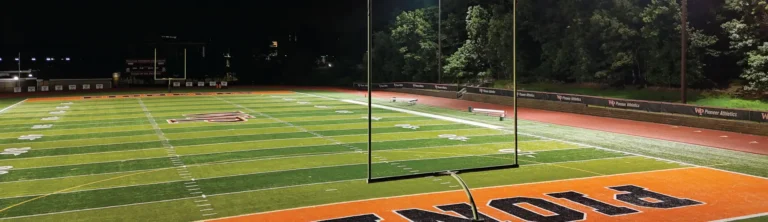
Many stadium owners face a familiar dilemma: training sessions dominate daily usage, but official matches define lighting expectations. Building two separate lighting systems is rarely
A practical, engineering-first guide to OEM and ODM cooperation for stadium, sports, industrial high bay, street, and high mast lighting – focused on how projects
When stadium owners consider upgrading lighting systems, the first question is often not about lux or beam angles – it is about return on investment.
Professional stadium lighting is not about selecting the highest specification fixture. It is about choosing the right balance between performance margin, project reality, and long-term
Why real-world validation matters more than specifications in professional stadium lighting. Datasheets are indispensable tools in lighting design. They define power ratings, luminous output, efficiency,
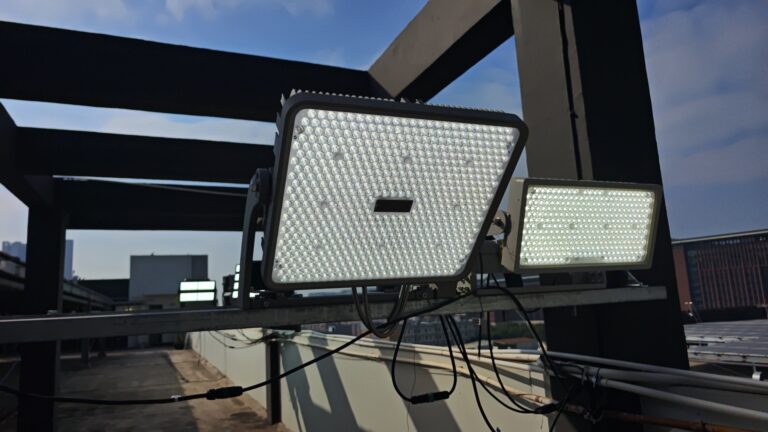
At ZC Lighting, stadium lighting performance is not defined by specifications alone. It is shaped by engineering discipline, verified through time, and proven under real
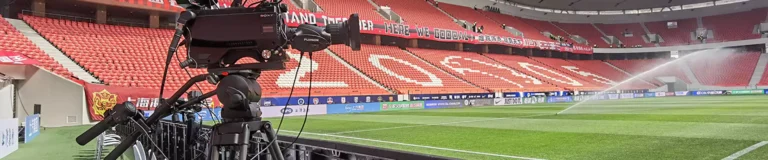
A major stadium’s lighting upgrade for 4K broadcast revealed a surprising fact: over 30% of the initial LED fixtures failed the vertical illuminance test for
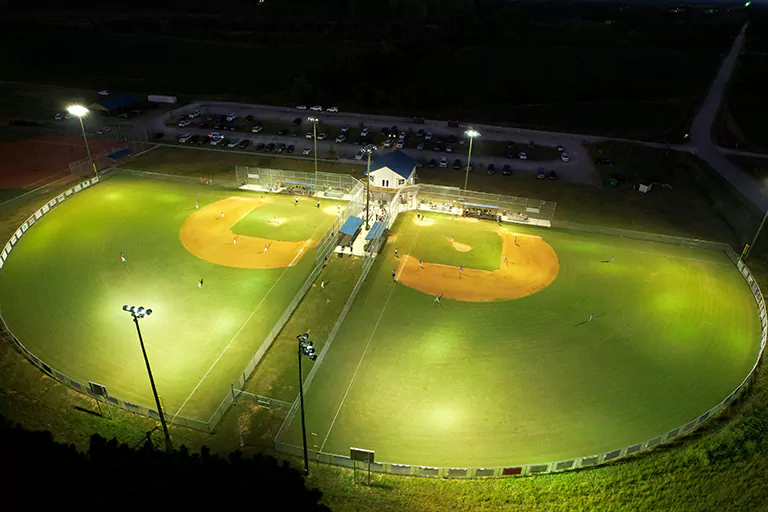
Understanding the Science Behind Sports Lighting Angles Proper installation angles for sports lighting are crucial for achieving optimal visibility, minimizing glare, and ensuring player and
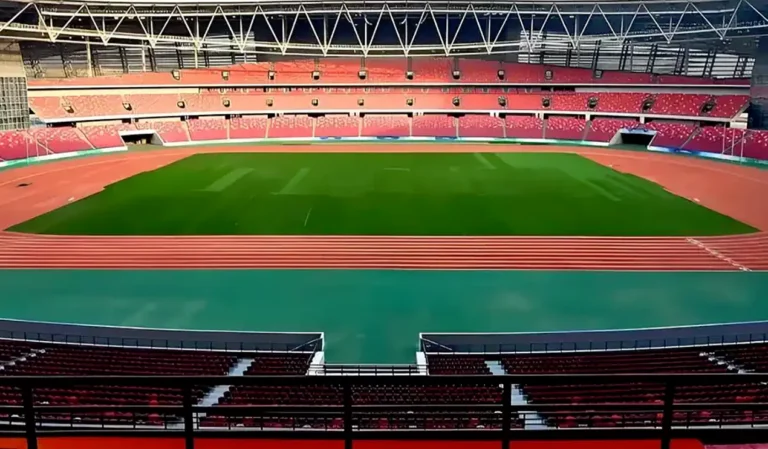
Stadium lighting retrofit projects promise major improvements in energy efficiency, visual comfort, and operational flexibility. Yet many projects fail to deliver their expected results —
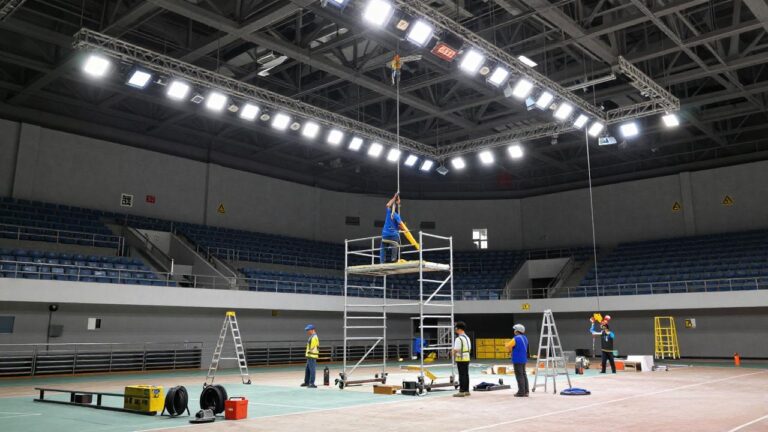
Many stadium lighting retrofit projects fail not because of product quality, but because of poor decision-making at the planning stage. Owners often ask: “What can
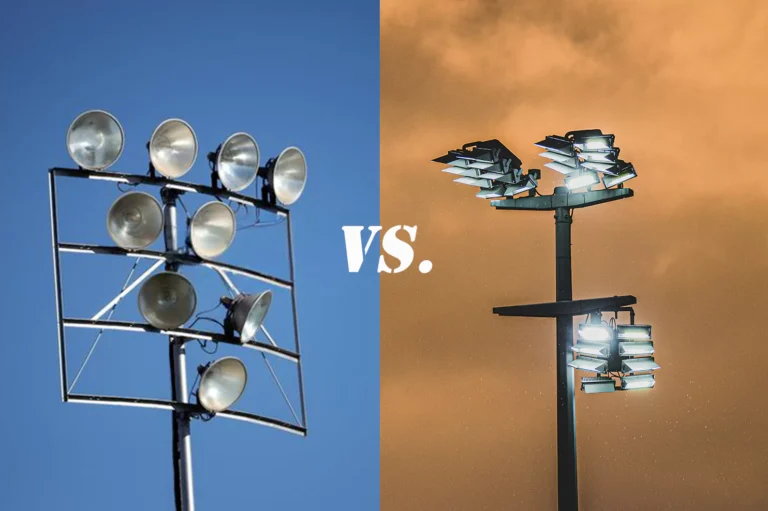
Across the world, thousands of football stadiums and training fields are still illuminated by HID systems — metal halide or high-pressure sodium — installed 10
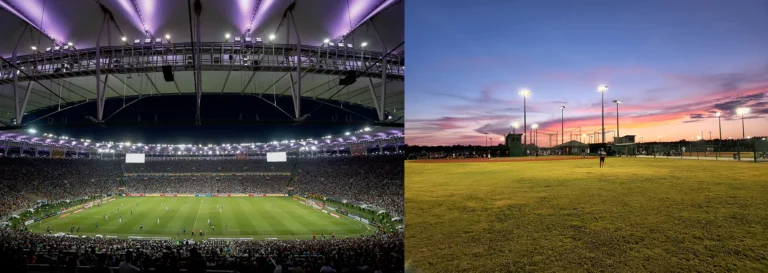
“We need FIFA-level lighting.” This requirement appears frequently in tenders — sometimes justified, sometimes misunderstood. In practice, many stadium projects fail not because they ignore
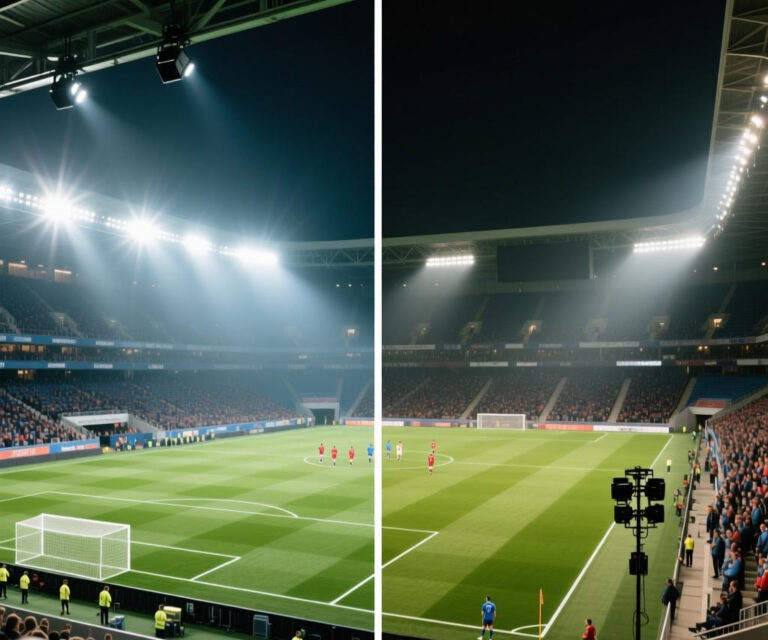
Ask players what they hate most about poor stadium lighting, and glare will appear near the top of the list. Unlike insufficient brightness, glare does
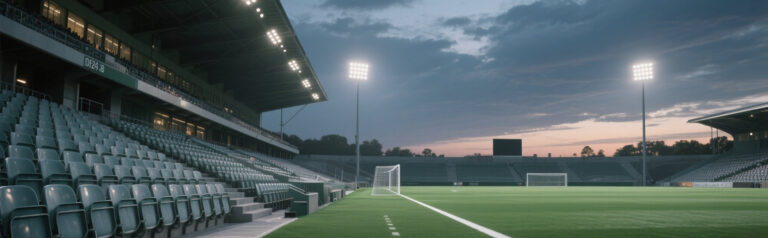
Pole height is one of the most misunderstood parameters in stadium lighting design. Many decision-makers assume that “higher is always better” or that pole height
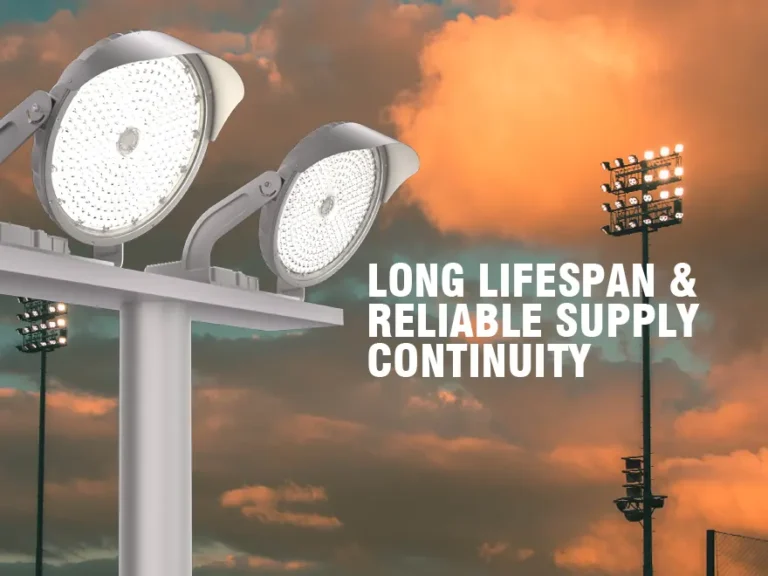
When planning stadium lighting, most project discussions start with power, brightness, or budget. However, experienced engineers and lighting designers know that the structural design of a stadium
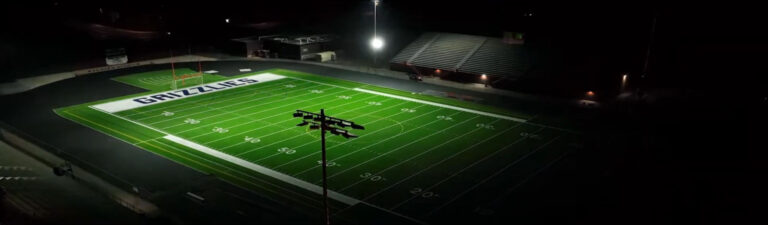
“We want good lighting, but we don’t need World Cup lighting.” This sentence appears in almost every sports lighting upgrade discussion — and it is

Ports, airport aprons, logistics hubs and highway interchanges share a common challenge: they must operate safely 24/7 under harsh environmental conditions. High-mast lighting is often
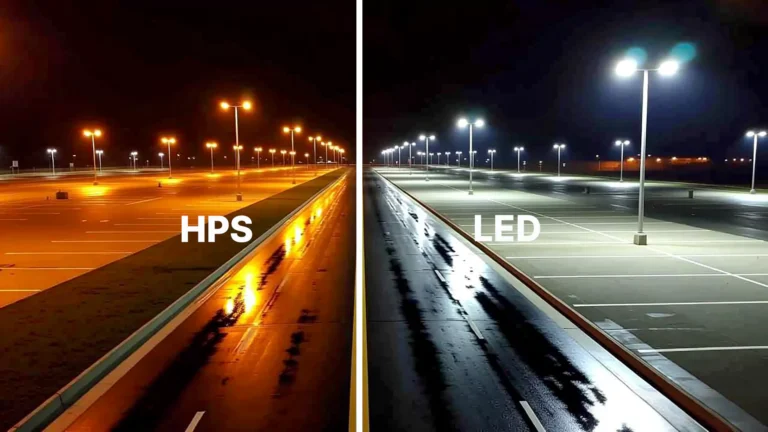
Across the world, cities, industrial parks and commercial sites are replacing high-pressure sodium (HPS) and metal halide street lights with LED luminaires. The reasons are