Signal 01
Glare matters more than it used to.
Especially in sports and visually sensitive outdoor applications, buyers are paying much closer attention to how the light is distributed, not just how much output the luminaire can provide.
Our week in Frankfurt has come to a close, but the momentum has not. Over five days, the ZC Lighting team met with distributors, contractors, specifiers, and project teams working on stadiums, training facilities, tennis courts, airports, and large outdoor areas.
What stood out was not a simple interest in higher wattage or larger numbers. The stronger conversations were about how to control glare more effectively, how to simplify retrofit work on existing poles, how to match optics to real site conditions, and how to make sure a project performs well long after installation.
That shift matters. It means the market is looking for solutions that are easier to apply, easier to justify, and easier to maintain - not just easier to compare on a datasheet.
The clearest signal from the show was that product comparison alone is no longer enough. Buyers want to know how a solution behaves in the field - whether it can reduce installation friction, improve aiming accuracy, and deliver dependable lighting performance in real operating conditions.
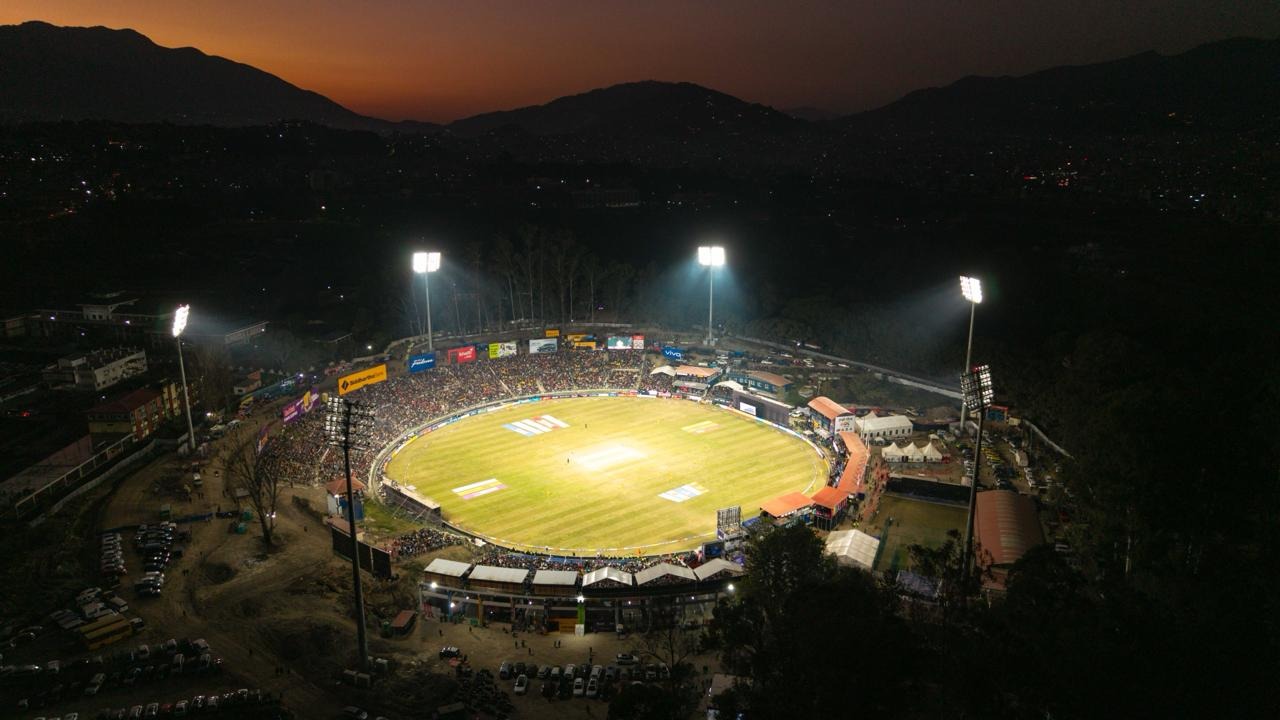
In sports lighting, glare control and beam precision were recurring themes. Visitors working on football, cricket, and tennis projects were especially focused on how to achieve cleaner light distribution without creating unnecessary spill, hotspots, or discomfort for players and spectators.
We also saw more attention on the execution side of projects. Many discussions turned quickly to installation details, existing pole geometry, structural limitations, and how to reduce delays during retrofit work. In other words, performance still matters - but only if it can be delivered cleanly on site.
That is why the most useful conversations were not about the highest specification available. They were about the right specification for the application, and the right product platform for the project reality.
These were the themes that came up repeatedly in conversations with professional visitors. Together, they explain why project-focused suppliers are being evaluated differently than before.
Especially in sports and visually sensitive outdoor applications, buyers are paying much closer attention to how the light is distributed, not just how much output the luminaire can provide.
Existing poles, bracket limitations, and mounting constraints are now part of the core selection process, particularly in upgrade projects where time and structural changes are limited.
The strongest questions were about long-term project value: maintenance logic, installation efficiency, durability, and how the solution fits commercial realities beyond the initial quotation.
Our post-show follow-up is centered on three products that fit the kinds of conversations we had in Frankfurt: FL09 for higher-level stadium projects, FL18 for strong performance with practical project value, and PL08 for tennis court and multi-court applications where optical control and acceptance readiness matter.
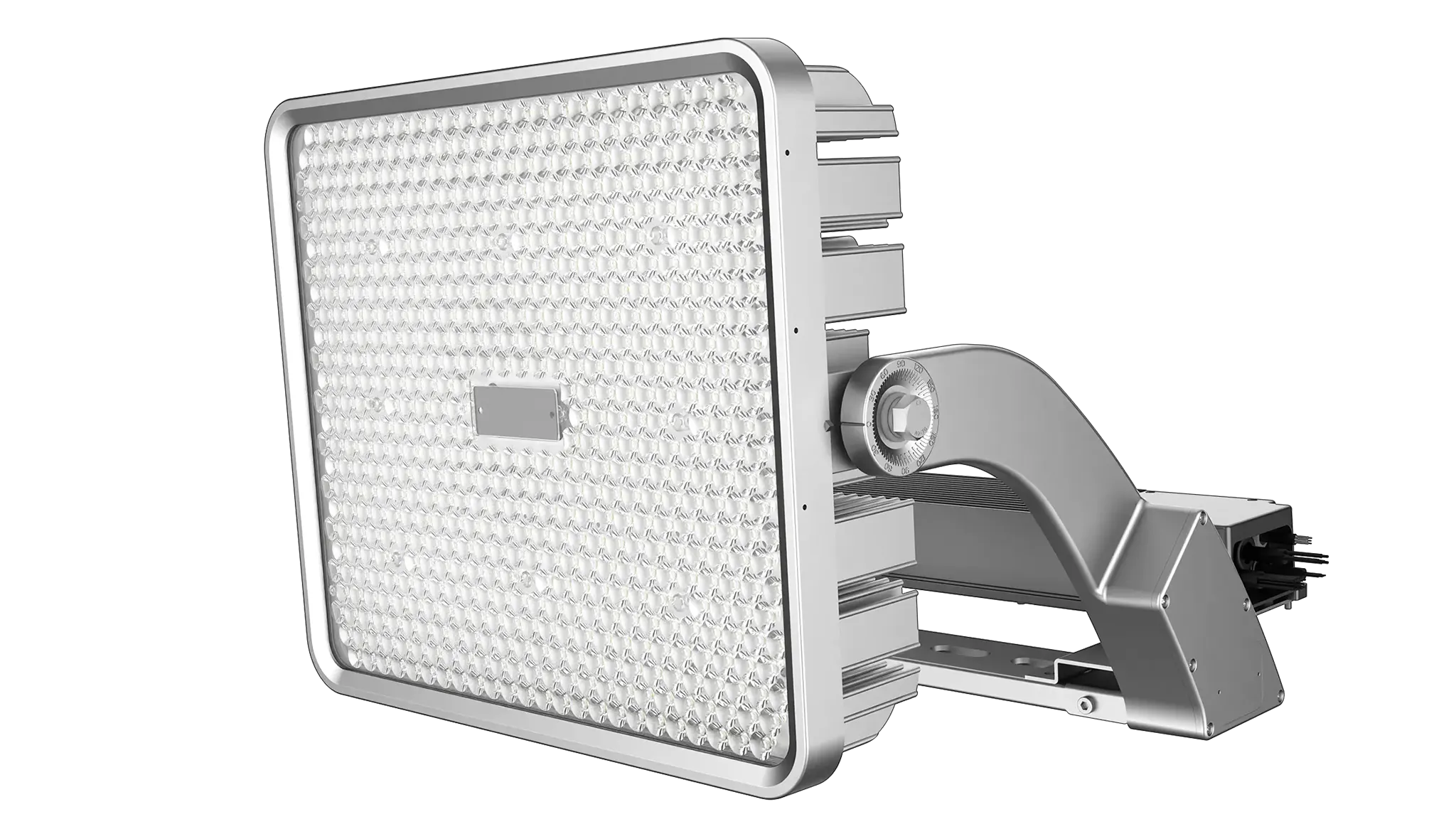
FL09 drew attention from visitors looking for a more premium stadium lighting solution where precise optics, reduced glare, and strong visual performance are critical.
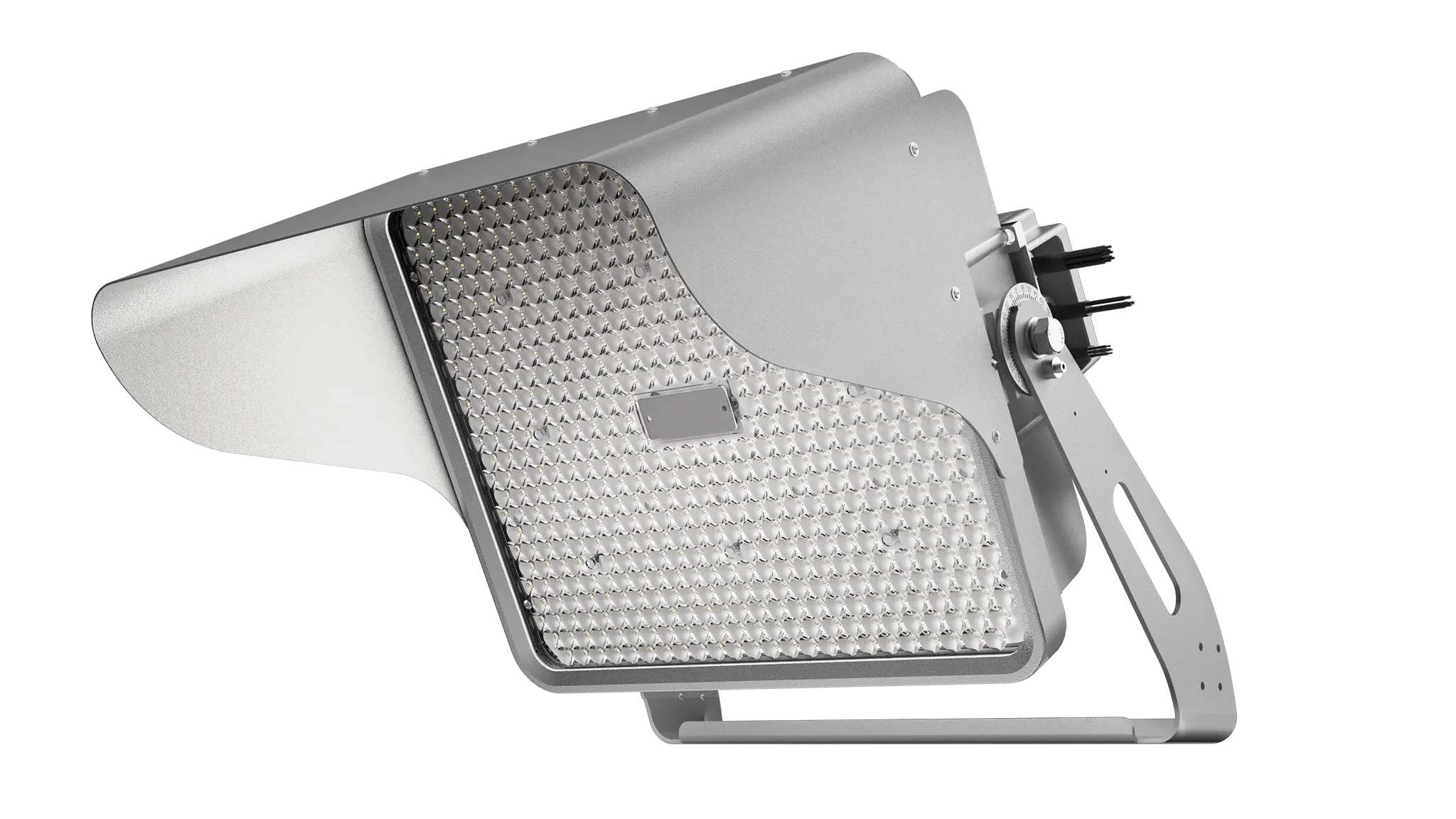
FL18 generated strong interest from customers who want a more balanced approach between specification, project budget, and installation practicality.
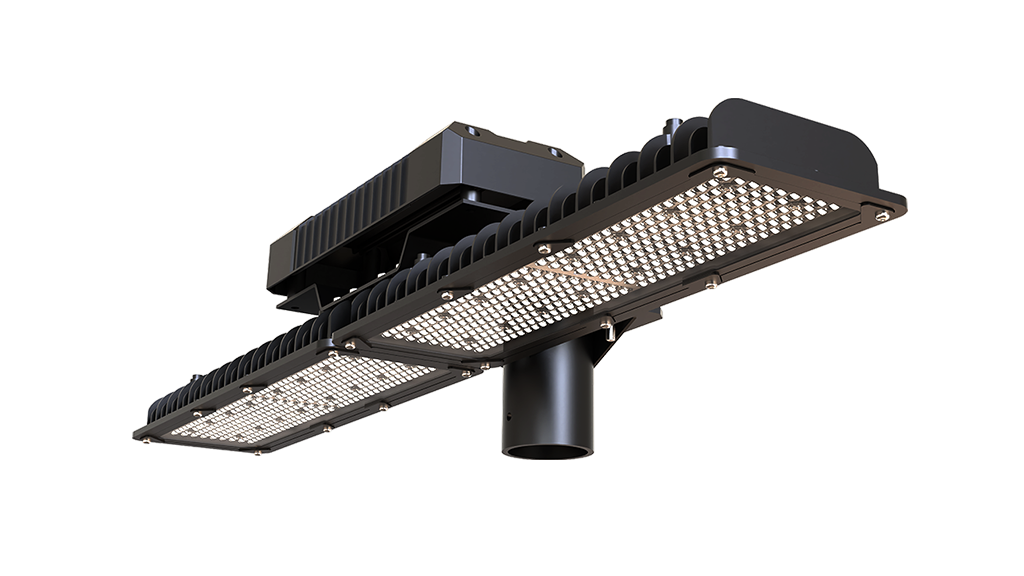
PL08 is aligned with tennis court and multi-court projects where tighter beam control, spill-light management, and acceptance-ready lighting layouts are part of the decision process.
The interest we saw in Frankfurt is closely connected to real projects already on the ground. Linking the news page to case studies gives visitors a clearer path from event awareness to application proof - and then to inquiry.
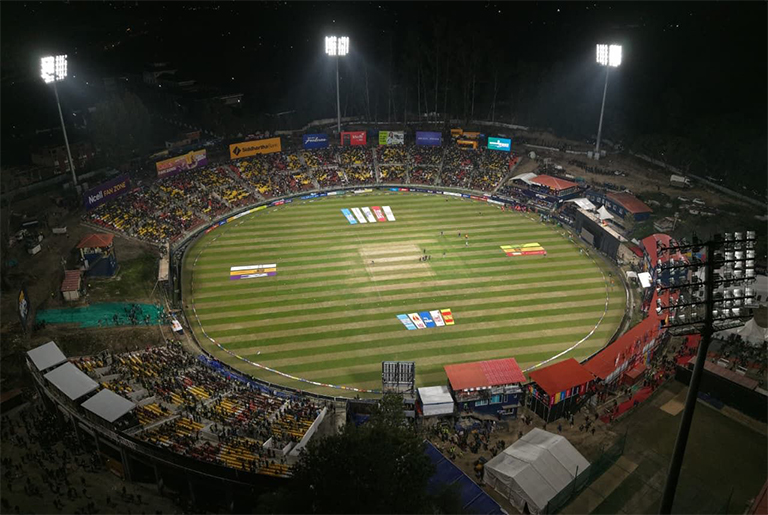
A large-scale sports lighting project using FL09 for controlled long-throw performance, improved uniformity, and night-game readiness.
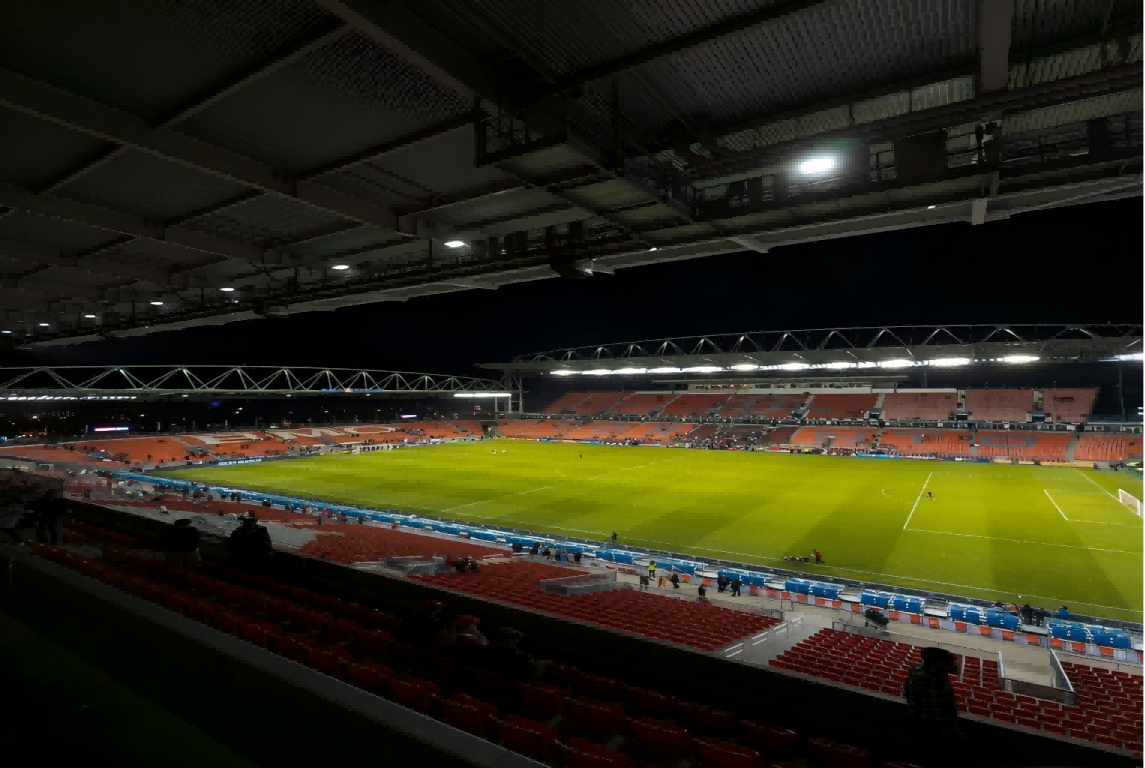
A professional venue project using FL18 to deliver high-level illumination, uniformity, and visual quality for elite competition and broadcast conditions.
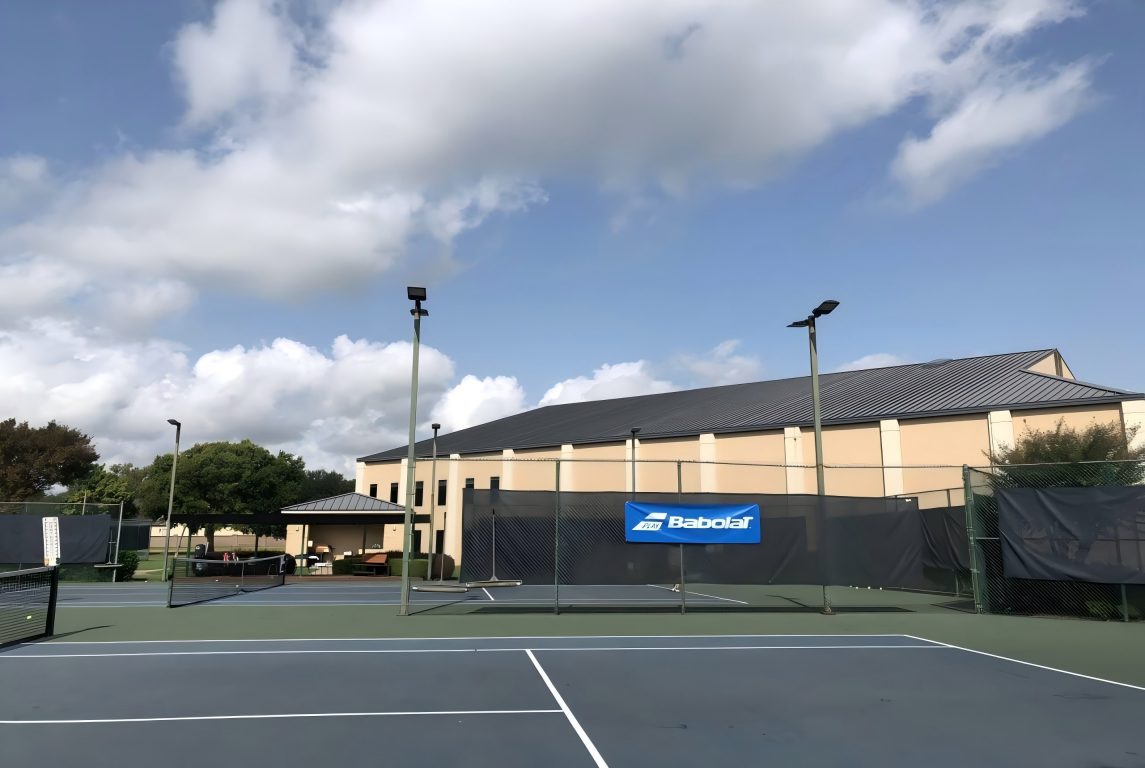
A useful reference for outdoor court lighting discussions, especially where glare, neighborhood sensitivity, and clean court coverage are part of the project brief.
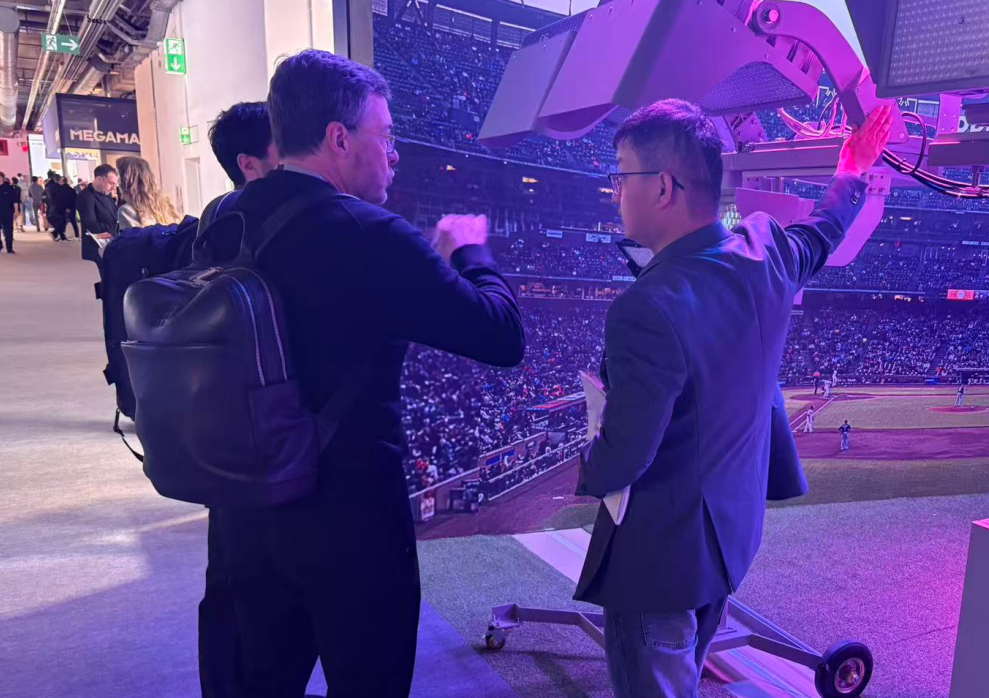
The best conversations in Frankfurt were not driven by brochures. They were driven by real project questions: How do we improve visual comfort? How do we work with fixed poles? How do we shorten installation time without weakening performance?
That is the space where practical solutions win. It is also where a post-show page needs to do more than report attendance or say thank you. It should help the right visitor move one step further - from general interest to a real project discussion.
“The strongest buyer interest was not around bigger numbers. It was around better control, easier execution, and more dependable project value.”
If you did not meet us in Frankfurt, we can still support your next project. Tell us your venue type, mounting height, target standard, or the product you are evaluating. Our team can assist with product selection, optics discussion, and quotation support.
This page includes a real quote-form layout so visitors can submit project details directly, instead of dropping off after reading the news article. It is designed to fit a post-show conversion flow: event interest → product interest → case review → inquiry.
Visible inquiry form for the landing page. Connect this form to your Elementor / WPForms / Contact Form 7 endpoint when deploying.