When it comes to lighting up stadiums or sports fields, efficiency and performance are key. Traditional lighting systems often consume excessive energy, lead to high maintenance costs, and fail to provide optimal illumination. Enter LED stadium lighting solutions—a revolutionary choice that not only enhances visibility but also slashes energy bills by up to 70%. If you’re still relying on outdated lighting systems, here’s why upgrading to LED lights is a smart long-term investment.
LED stadium lights are designed to optimize energy consumption without compromising on brightness. Compared to traditional metal halide or halogen lamps, LEDs consume significantly less power.
Efficiency Comparison:
Metal Halide Lights: Consume 1000–1500 watts per fixture.
LED Stadium Lights: Consume only 300–600 watts per fixture.
One of the standout benefits of LED lights is their long lifespan. Traditional lights often need replacement every 2–3 years, whereas quality LED lights can last up to 50,000–100,000 hours. This translates to fewer maintenance interruptions and lower associated costs.
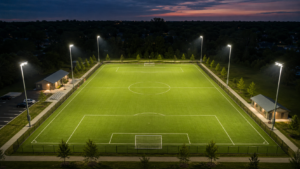
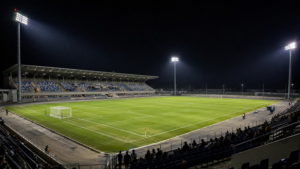
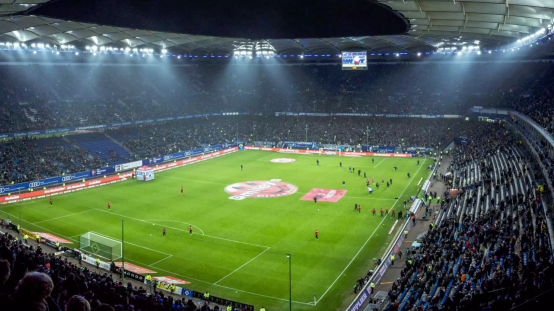
LED stadium lighting delivers superior brightness and uniformity, ensuring every corner of the field is well-lit. Unlike traditional lights that take time to warm up, LEDs offer instant illumination. This is crucial for nighttime games or events, where visibility is paramount.
Switching to LED lighting is not just about cost savings—it’s also a step toward sustainability. LED lights produce 80% less CO₂ emissions compared to traditional lights and contain no toxic materials like mercury. By making the switch, you contribute to a cleaner, greener planet.