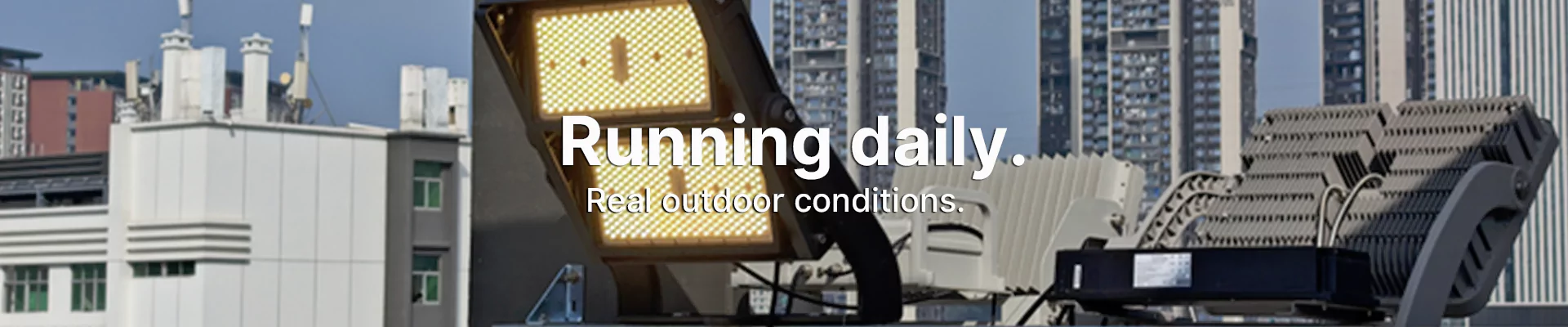
Why real-world validation matters more than specifications in professional stadium lighting.
Datasheets are indispensable tools in lighting design. They define power ratings, luminous output, efficiency, beam angles, and compliance standards. For professional stadium lighting projects, datasheets are necessary — but they are not sufficient.
In real-world stadium applications, lighting systems are exposed to variables that cannot be fully captured through laboratory testing alone. Time, temperature cycles, material aging, and continuous operation all play decisive roles in determining long-term performance.
The Role and Limits of Datasheets
Datasheets provide a standardized snapshot of performance under controlled conditions. They allow engineers to compare products, verify compliance, and estimate initial system behavior. However, datasheets inherently assume stable operating environments and limited exposure duration.
What datasheets cannot describe is how a luminaire behaves after thousands of hours of continuous operation under real outdoor conditions.
Engineering reality:
Specifications describe how a product should perform. Time reveals how it actually performs.
Why Time Is the Ultimate Engineering Variable
Professional stadium lights often operate for extended hours each day, sometimes exceeding 10–12 hours. Over months and years, repeated thermal cycling introduces stresses that are difficult to replicate in accelerated laboratory tests.
As temperatures rise and fall, materials expand and contract, electrical components age, and mechanical connections experience micro-movements. These effects accumulate gradually, influencing performance in ways that short-term tests cannot predict.
Thermal Behavior Beyond Initial Measurements
Thermal management is one of the most critical factors in high-power LED stadium lighting. While initial temperature measurements may fall within acceptable limits, long-term testing reveals whether thermal equilibrium remains stable over time.
- Heat sink efficiency under sustained load
- Thermal interface material behavior after repeated cycles
- Temperature distribution consistency across LED modules
Driver Endurance and Electrical Stability
Drivers are often the most sensitive components in a lighting system. Continuous operation allows engineers to observe voltage regulation stability, component aging, and long-term electrical behavior under real load conditions.
Minor instabilities that appear insignificant during short tests can evolve into reliability risks over extended periods.
Structural Integrity and Optical Consistency
Mechanical structures and optical assemblies are also subject to gradual change. Long-term validation helps engineers identify:
- Structural fatigue in mounting interfaces
- Lens and glass behavior under prolonged exposure
- Changes in optical alignment or distribution
From Observation to Engineering Improvement
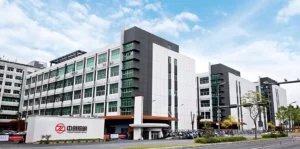
At ZC Lighting, long-term validation is not conducted for marketing purposes. It serves as a continuous engineering feedback loop. Observations gathered during extended operation directly influence design refinements, material selection, and structural optimization.
This iterative approach ensures that new product generations benefit from real-world operating experience, not just theoretical assumptions.
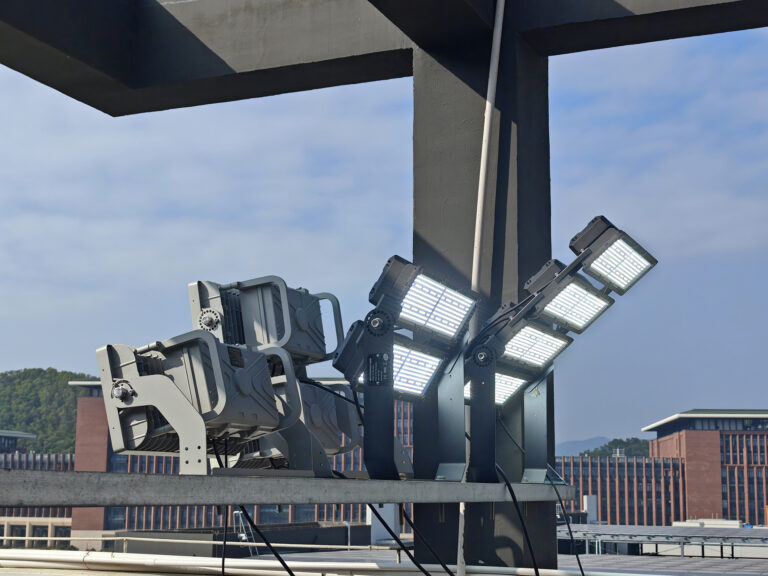
Why Long-Term Validation Matters for Stadium Projects
For stadium owners and engineering consultants, long-term reliability translates into reduced maintenance risk, predictable performance, and improved total cost of ownership. Lighting systems that maintain stability over time protect both investment and operational continuity.
Conclusion
Datasheets remain an essential part of lighting design. However, they cannot replace long-term validation under real operating conditions. In professional stadium lighting, reliability is not claimed — it is revealed through time.